How Wisconsin Weather Affects Your Vehicle Throughout the Year
TINT STUDIO
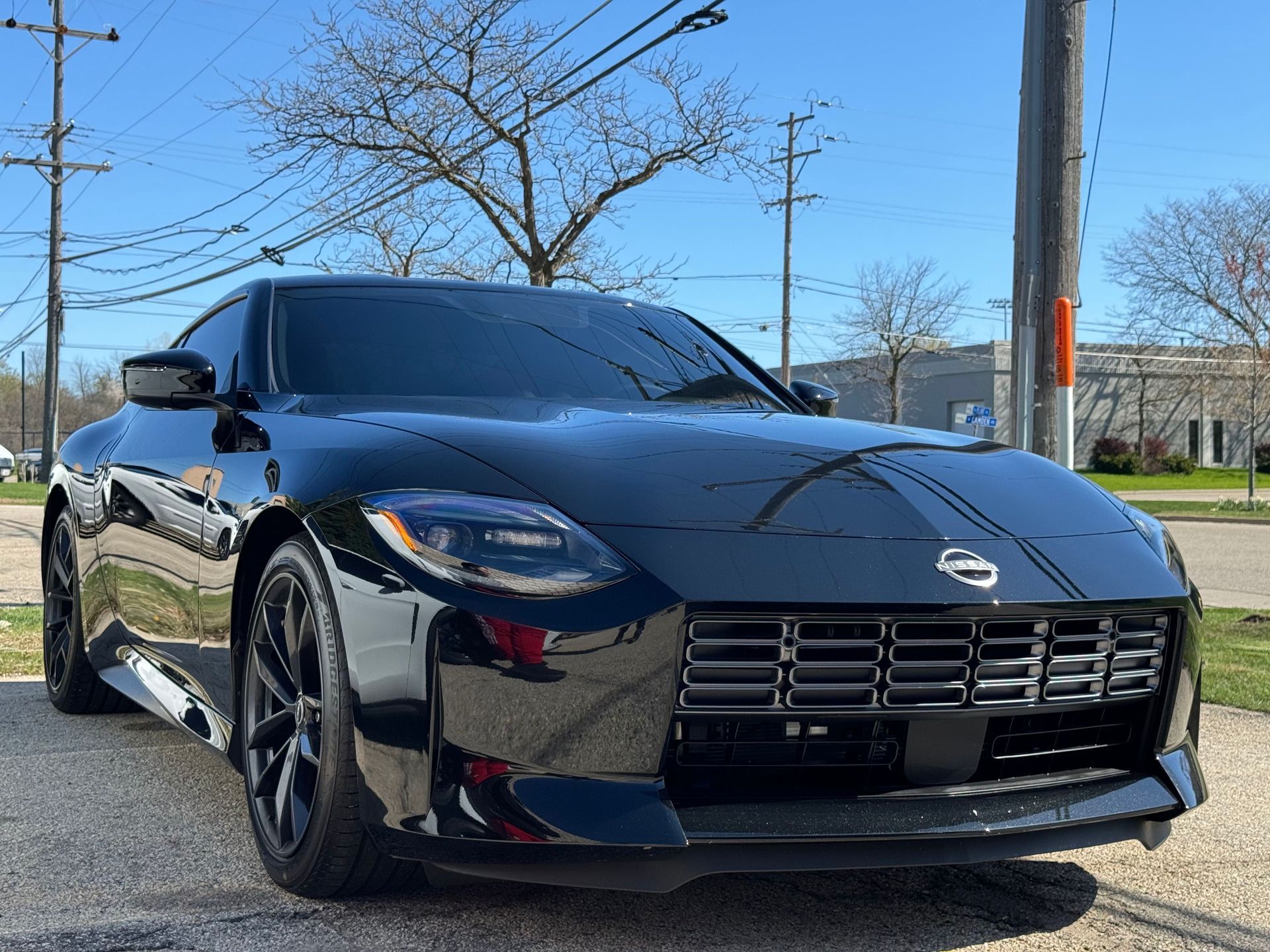
Wisconsin weather can affect your vehicle's paint, glass, exterior surfaces, cabin comfort, and overall appearance throughout every season. Winter brings road salt, sand, snow, ice, and grime. Spring introduces rain, mud, and leftover road debris. Summer increases heat, sun exposure, insects, and contamination, while fall adds leaves, moisture, and preparation for another winter. The right combination of regular cleaning and professional vehicle protection can help reduce the effects of this year round exposure.
For drivers in Mequon, Ozaukee County, Milwaukee, Waukesha, and surrounding Southeast Wisconsin communities, protecting a vehicle is not just a winter concern. Each season creates different challenges, which is why Tint Studio recommends protection based on how a vehicle is actually driven and maintained.
How Does Wisconsin Winter Affect Your Vehicle?
Winter is one of the most demanding seasons for a vehicle's exterior.
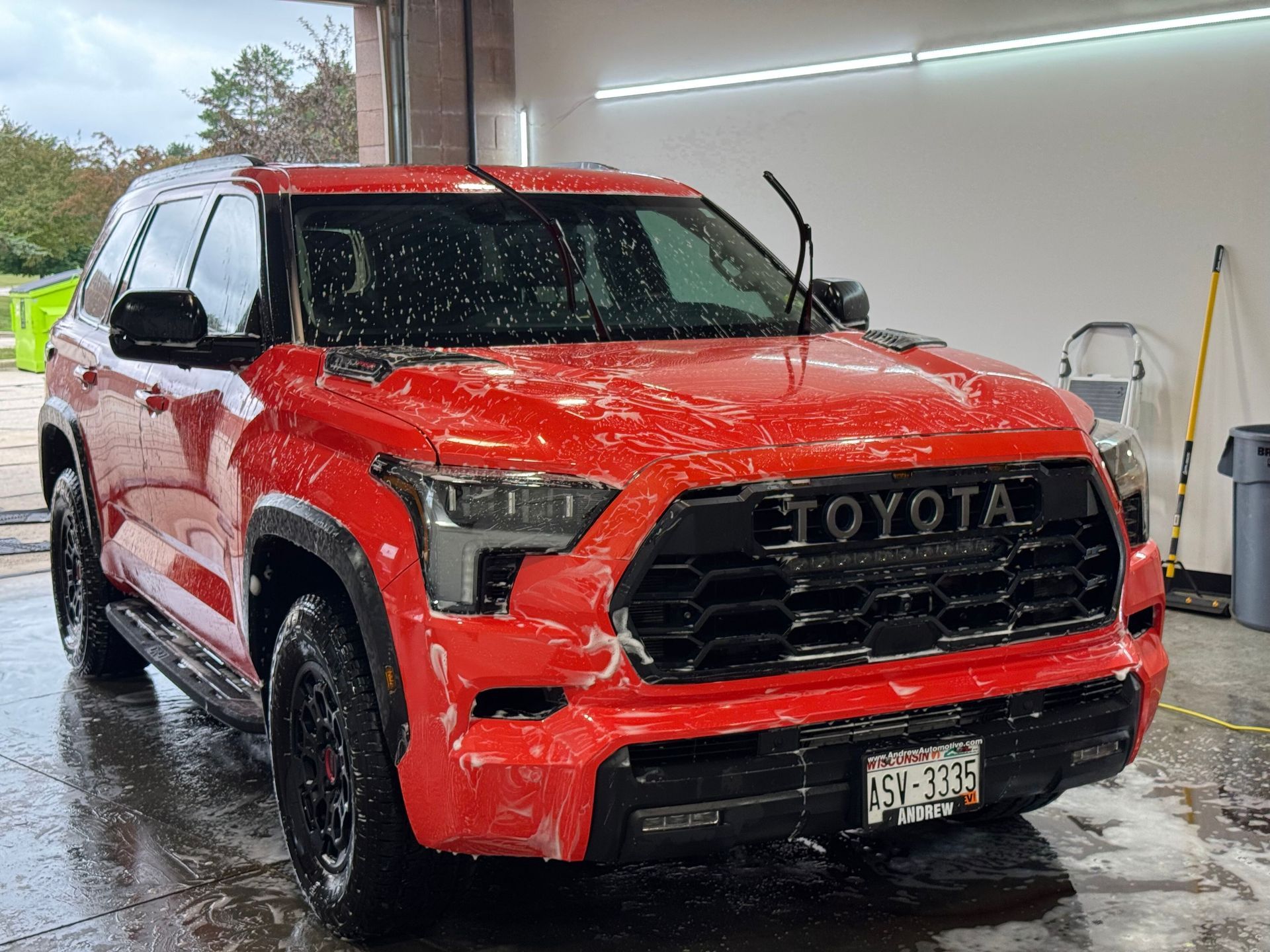
Road salt, sand, dirty snow, slush, and debris can accumulate quickly on painted panels, lower body areas, wheels, and glass. Highway driving can also expose the front bumper, hood, mirrors, and other forward facing surfaces to debris kicked up by surrounding traffic.
Frequent freeze and thaw conditions can add another challenge because moisture and contamination may remain on the exterior between washes.
The goal during winter should be to reduce prolonged contamination while protecting the surfaces that experience the most exposure.
Protect High Impact Areas With PPF
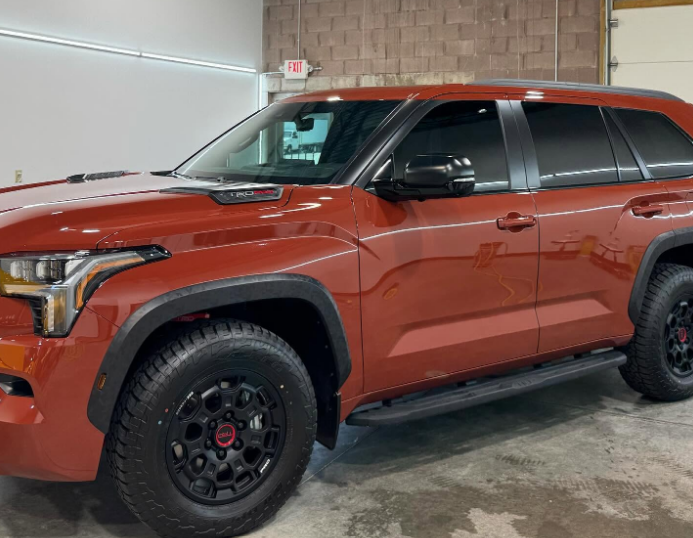
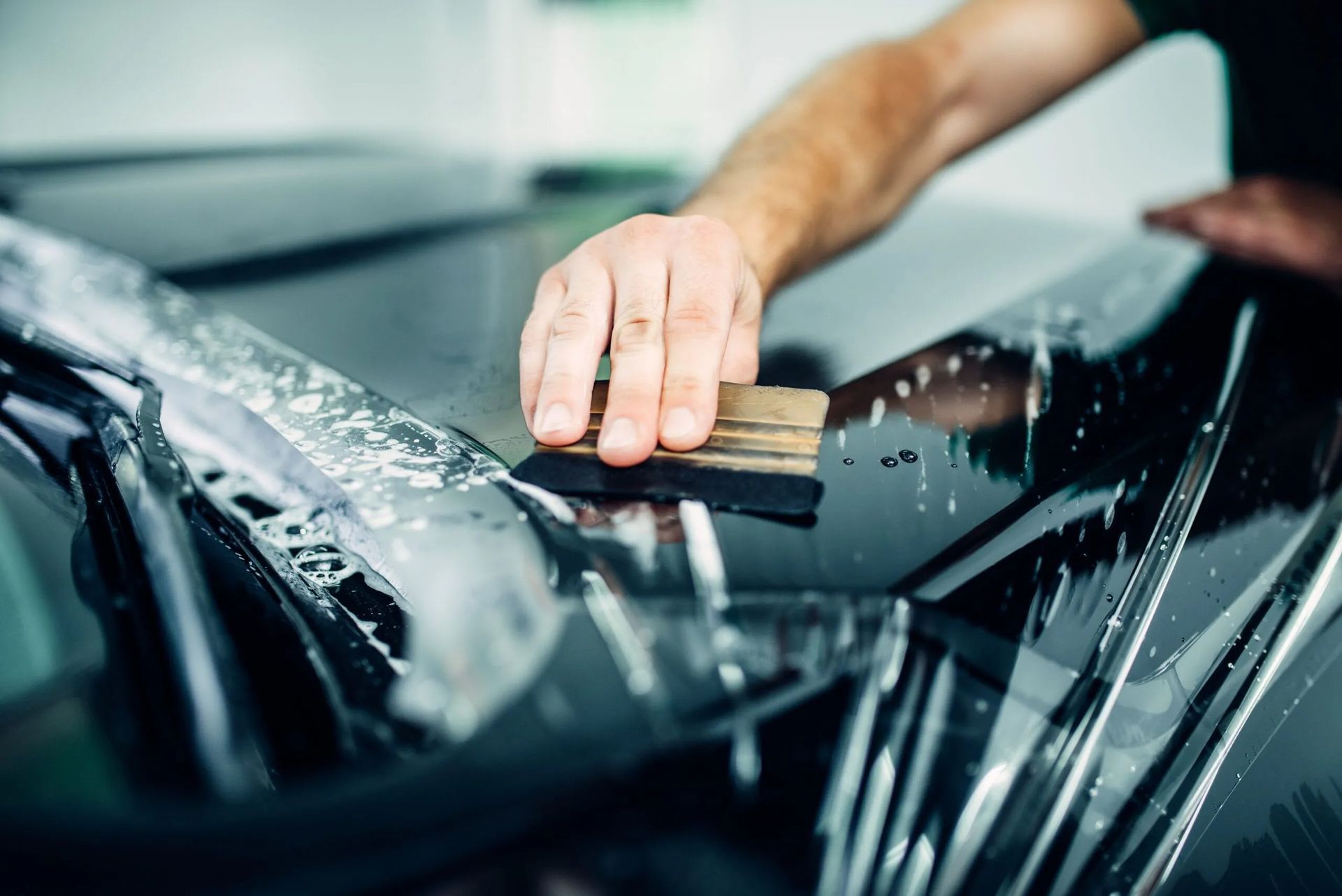
Paint Protection Film, or PPF, adds a physical layer over covered painted surfaces. This makes it particularly useful for areas that regularly face road debris, including the hood, front bumper, front fenders, mirrors, headlights, and rocker panels.
Tint Studio installs Autobahn Paint Protection Film and offers different levels of coverage based on the vehicle and its use. The film is designed to take much of the everyday contact that would otherwise reach the paint.
Car PPF does not make a vehicle damage proof, and it does not eliminate the need for winter washing. Instead, it provides an additional barrier over vulnerable painted areas.
Remove Winter Grime Regularly
Even a protected vehicle should be cleaned throughout winter.
Salt, road film, slush, and other contaminants should not be allowed to remain on the vehicle indefinitely. Routine cleaning helps reduce buildup and keeps protected and unprotected areas easier to maintain.
Pay particular attention to lower panels, wheel areas, and places where winter grime collects.
What Happens to Your Vehicle During Spring?
Spring may seem easier on vehicles than winter, but the transition brings its own challenges.
Melting snow can leave behind road salt, sand, and grime. Rain can mix with road residue and create dirty spray that quickly coats lower panels and the rear of a vehicle. Potholes and road repairs may also increase the amount of loose material drivers encounter.
Spring is therefore a good time for a thorough exterior inspection.
Look at the paint, PPF, glass, wheels, and lower body areas in good lighting. If PPF is already installed, check for unusual lifting or damage. If the vehicle has spent a full winter without protection, spring is also an opportunity to identify the areas that accumulated the most wear.
Spring Is a Good Time for Exterior Decontamination
Winter contamination can remain even after a basic wash.
Professional detailing can help remove embedded grime and prepare the exterior for additional protection. This is especially valuable before applying a ceramic coating or installing PPF because proper surface preparation influences the finished result.
At Tint Studio, careful preparation is part of the protection process rather than an afterthought.
How Does Wisconsin Summer Affect Your Vehicle?
Wisconsin summers bring warmer temperatures, stronger sunlight, insects, road trips, construction zones, and longer periods of driving.
For the exterior, bugs and road contaminants can become difficult to remove when allowed to remain on a warm surface. Frequent highway travel also continues to expose the front of the vehicle to road debris.
Inside the vehicle, sunlight and heat can make the cabin uncomfortable, particularly when a car sits outside for extended periods.
Window Tint Can Improve Summer Driving Comfort
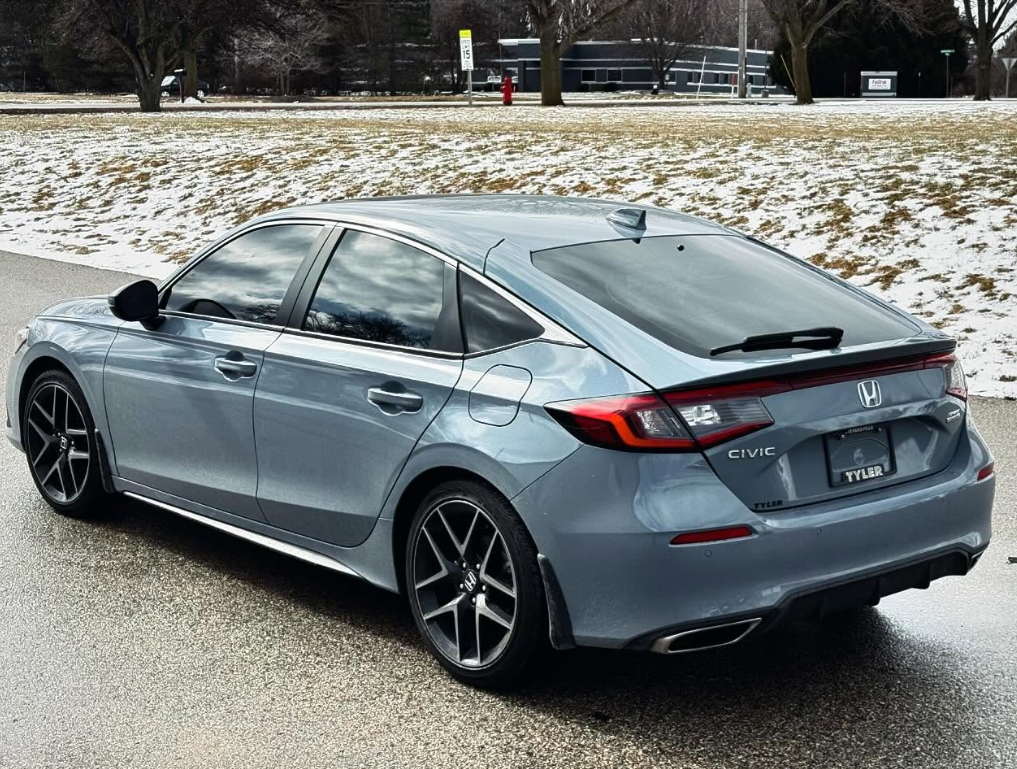
Professional window tint can help reduce heat entering through automotive glass, soften harsh light, and create a more comfortable cabin.
Tint Studio installs Autobahn window film and offers several film options based on appearance, privacy, heat rejection, and driving preferences. The right film is not simply the darkest available option. It should match what the driver actually wants from the installation.
Premium ceramic window films can be particularly useful for drivers who prioritize heat rejection while maintaining good optical clarity.
Window tint can improve comfort during summer, but its usefulness is not limited to one season. Glare control, privacy, appearance, and interior protection can remain relevant throughout the year.
Ceramic Coating Makes Routine Cleaning Easier
Summer is also a practical time to appreciate the maintenance benefits of ceramic coating.
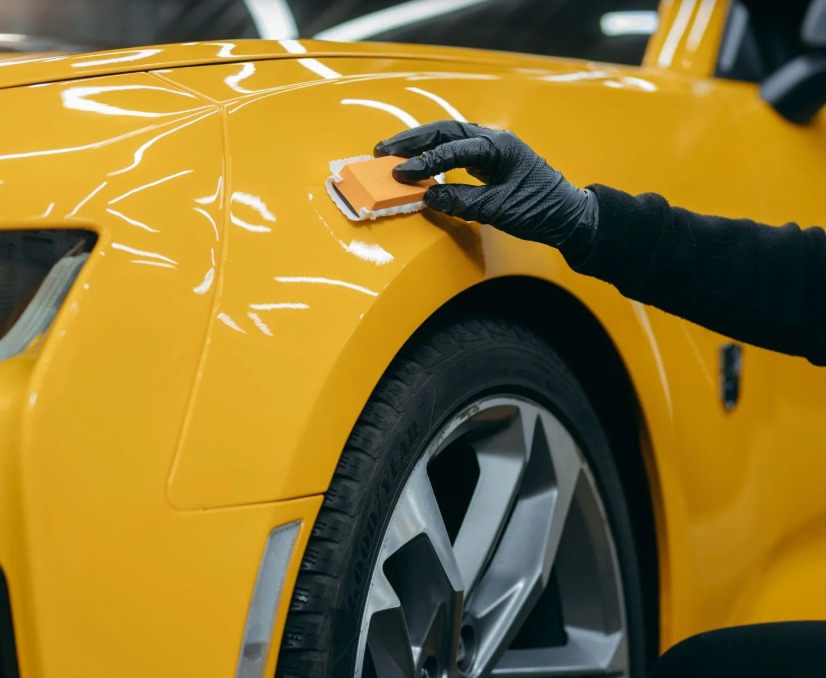
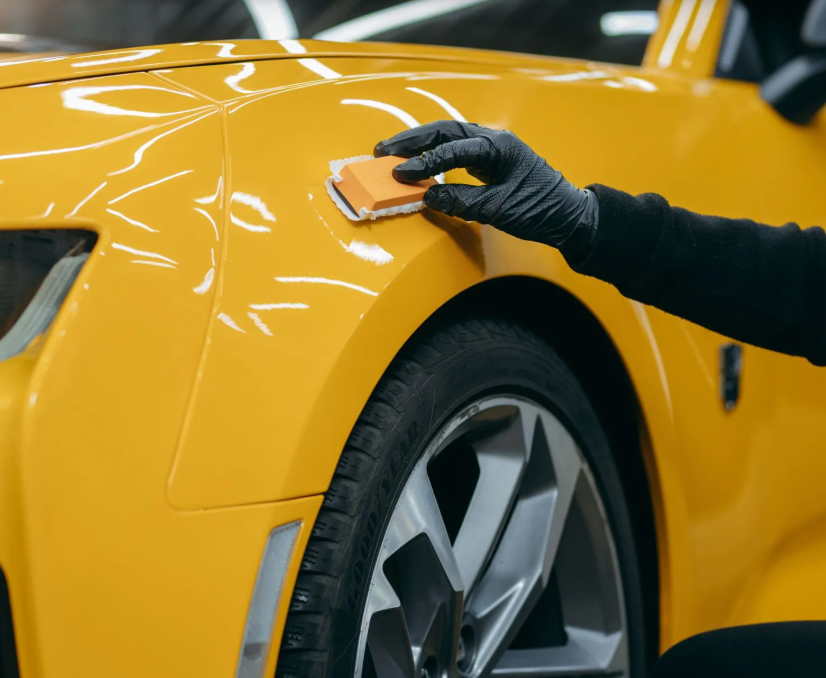
Ceramic coating creates a slick, water repelling surface that can make dirt, road film, and other contaminants easier to remove during routine washing. It also enhances gloss and provides another layer of environmental protection.
That does not make a ceramic coated vehicle maintenance free. Bugs, bird droppings, grime, and other contaminants should still be removed appropriately.
For some vehicles, PPF and ceramic coating can work together. PPF addresses physical impact exposure while ceramic coating focuses more on surface protection, water behavior, appearance, and easier cleaning.

What Challenges Does Fall Bring?
Fall is an important transition period for Wisconsin vehicle owners.
Leaves, rain, moisture, road grime, and falling temperatures arrive before winter road treatments begin again. Leaves and debris can collect around windshield areas, body seams, and drainage points, while wet organic material can leave residue on exterior surfaces.
Keeping these areas clear is a simple part of seasonal vehicle care.
Fall is also an ideal time to assess whether your vehicle has enough exterior protection before winter.
If highway driving has already produced visible wear on the front end, you may want to discuss PPF coverage before another season of sand and road debris. If washing and maintaining the paint has become increasingly time consuming, ceramic coating may be worth considering.
Which Vehicle Protection Works Best for Wisconsin Weather?
There is no single product that handles every type of exposure.
Understanding what each protection service does helps drivers make better decisions.
Paint Protection Film
PPF is intended primarily for physical protection. It provides a transparent urethane barrier over the paint and is particularly useful against road debris in high impact areas.
It may be a strong choice for highway commuters, luxury vehicles, performance cars, newer vehicles, and owners who want to preserve vulnerable painted surfaces.
Ceramic Coating
Ceramic coating creates a durable, slick surface over properly prepared paint. Its primary benefits include easier cleaning, strong water behavior, enhanced gloss, and environmental protection.
It does not provide the same impact absorbing barrier as PPF.
Window Tint
Window tint primarily addresses the glass and cabin environment. Depending on the film selected, it can help with heat rejection, glare, privacy, appearance, and interior comfort.
Tint Studio uses Autobahn window films and helps customers choose film according to their actual priorities rather than simply recommending one product for every vehicle.
Combining PPF and Ceramic Coating
For owners who want broader exterior protection, PPF and ceramic coating can be combined.
A common approach is to protect high impact areas with PPF and apply ceramic coating across the vehicle, including over appropriate film surfaces. The two products address different concerns rather than replacing one another.
How Can You Protect Your Vehicle Throughout the Year?
Year round vehicle care does not need to mean constantly adding new products.
Start with how and where you drive.
A daily highway commuter may benefit from protecting front facing panels from debris. A vehicle that sits outside frequently may place greater importance on easier cleaning and environmental protection. Someone primarily concerned about a hot cabin may prioritize quality window tint.
Routine washing remains important regardless of which protection services you choose. Remove contaminants before they build up, use appropriate automotive cleaning methods, and inspect protected surfaces periodically.
This practical approach matches Tint Studio's philosophy of recommending services according to real driving habits rather than pushing unnecessary additions. Tint Studio serves drivers from Mequon and across Southeast Wisconsin with PPF, ceramic coating, window tint, detailing, and other vehicle protection services.
Protect Your Vehicle Through Every Wisconsin Season
Wisconsin weather changes, but your vehicle does not have to face every season without a protection strategy.
At Tint Studio in Mequon, we help drivers choose PPF, ceramic coating, window tint, and detailing services based on how their vehicles are actually used. Whether you commute throughout Southeast Wisconsin, drive a luxury vehicle on weekends, rely on a family SUV every day, or want to prepare a new vehicle before winter, we can recommend practical protection without unnecessary extras.
Get ahead of Wisconsin's next season. Call Tint Studio at (262) 278-4003 or request a quote to discuss the right protection plan for your vehicle.
Frequently Asked Questions About Wisconsin Weather and Vehicle Protection
What season is hardest on vehicle paint in Wisconsin?
Winter can be particularly demanding because vehicles encounter road salt, sand, slush, grime, and road debris. However, paint remains exposed to contaminants and environmental conditions throughout the year, making consistent care more useful than focusing on winter alone.
Does PPF protect a vehicle from Wisconsin road salt?
PPF creates a physical barrier over the painted surfaces it covers, which reduces direct exposure to road grime, salt, sand, and debris. It does not eliminate the need to wash the vehicle during winter.
Is ceramic coating useful during Wisconsin winters?
Yes. Ceramic coating can make protected surfaces easier to clean and helps reduce how strongly water and contaminants adhere. Regular washing is still necessary, especially when winter grime and road salt accumulate.
Is PPF or ceramic coating better for Wisconsin roads?
They serve different purposes. PPF is more focused on physical impact protection from road debris, while ceramic coating provides a slick protective surface that supports easier cleaning and environmental resistance. Some owners choose both.
Can window tint help during Wisconsin summers?
Yes. Quality automotive window tint can reduce heat entering through the glass, manage glare, and improve cabin comfort. Tint Studio offers several Autobahn films with different levels of heat rejection and performance.
When should I prepare my vehicle for Wisconsin winter?
Fall is a practical time to inspect the exterior, address existing contamination, and decide whether additional protection is appropriate before winter road conditions arrive. The best timing may depend on the condition of your vehicle and the service you are considering.
Does PPF prevent all rock chips and exterior damage?
No. PPF provides a durable physical barrier that can reduce damage to covered areas, but no automotive protection product can guarantee that every impact will be prevented.
Can I put ceramic coating over PPF?
Yes. PPF and ceramic coating can be used together because they perform different jobs. Tint Studio specifically discusses combining front end PPF with ceramic coating when that combination matches the owner's protection goals.