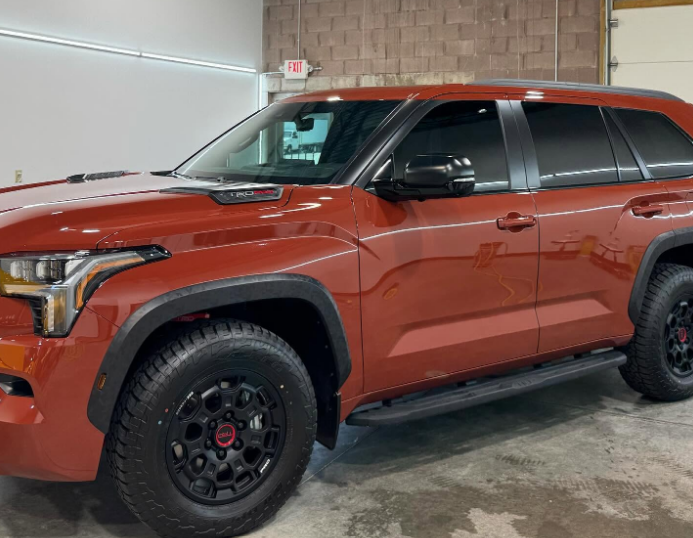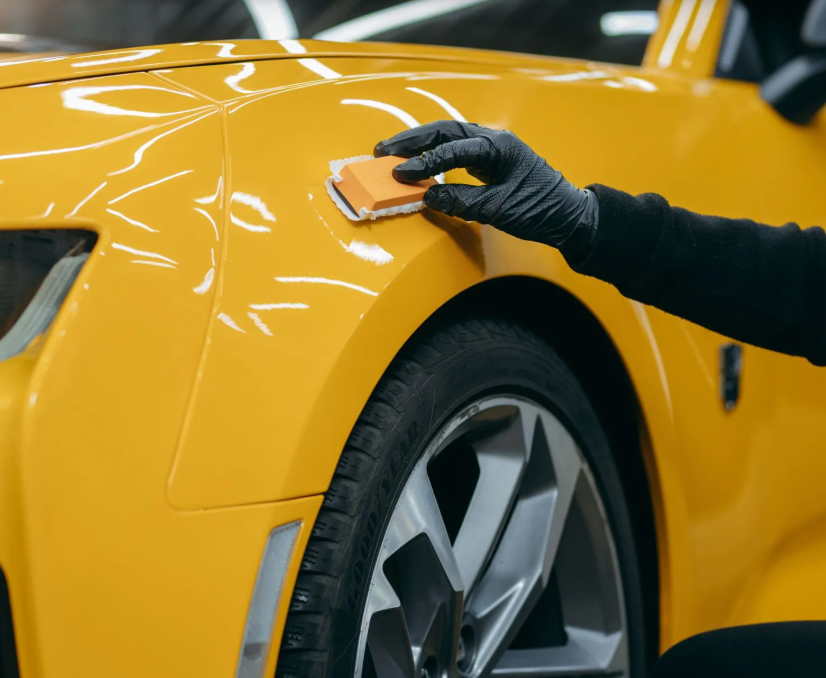
Paint Protection Film vs Vinyl Wrap: Cost, Lifespan, and Which to Choose in Wisconsin
TINT STUDIO
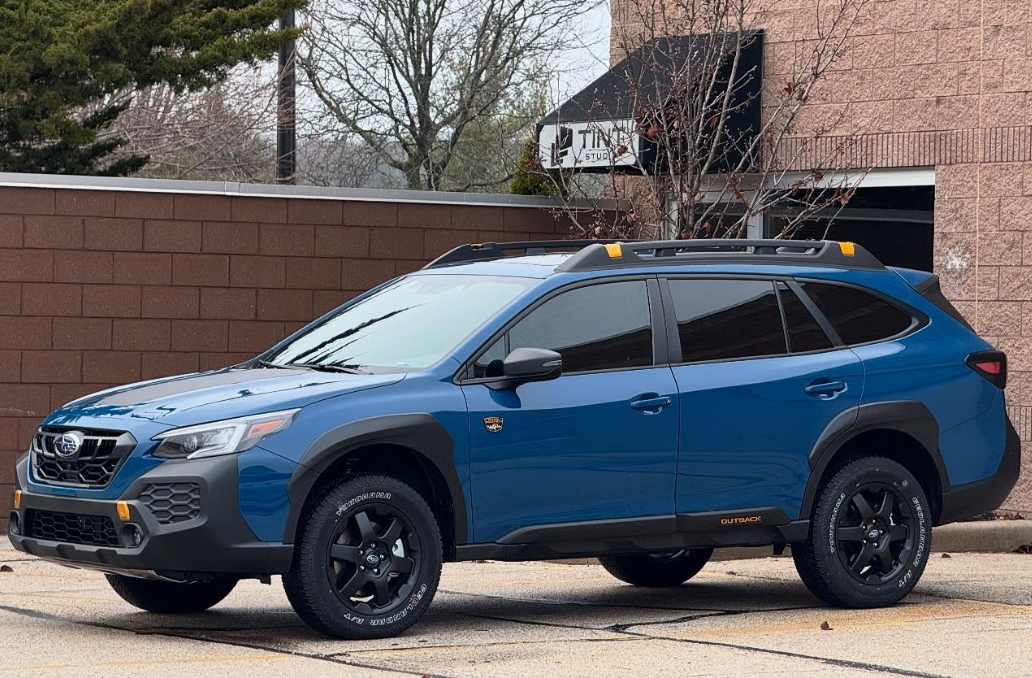
Paint protection film (PPF) is a thick, clear, self-healing urethane film designed to stop rock chips, scratches, and road salt from reaching your paint. A vinyl wrap is a thinner PVC film made mainly to change your vehicle's color or finish. If protecting your paint is the priority, PPF is the better choice. If a new color is the goal, a vinyl wrap costs less upfront but offers far less protection and usually needs replacing sooner.
For drivers in Mequon and across Southeast Wisconsin, that difference shows up quickly. One rock kicked up on I-43 can chip factory paint, and a winter of salt and freeze-thaw cycles works into every chip it finds. Here is how the two films compare on protection, appearance, cost, lifespan, and care.
What Is the Difference Between PPF and Vinyl Wrap?
Both are films applied over your paint, which is why they get confused, but they are built for different jobs.
What Paint Protection Film Is
Car PPF is made from thermoplastic polyurethane (TPU), a flexible, elastic material that absorbs impacts instead of tearing. Most clear PPF is around 8 mils thick (a mil is one-thousandth of an inch). Modern films carry a self-healing topcoat, so light surface marks fade when the film is warmed by the sun or warm water. The Autobahn Incognito PPF we install at Tint Studio is virtually invisible and has a hydrophobic topcoat that helps water bead off.
What a Vinyl Wrap Is
A vinyl wrap is a PVC film, typically about 3 to 4 mils thick, or roughly half the thickness of PPF. Its main purpose is cosmetic: changing the color, adding a matte or satin finish, or applying printed graphics. Vinyl guards against light scuffs and some UV fading, but it does not self-heal, and a stone at highway speed can cut through it and chip the paint underneath.
Think of PPF as a shield and vinyl as a change of clothes.
PPF vs Vinyl Wrap at a Glance
| Feature | Paint Protection Film | Vinyl Wrap |
|---|---|---|
| Main purpose | Protecting paint | Changing color or finish |
| Material | Thermoplastic polyurethane (TPU) | PVC vinyl |
| Typical thickness | About 8 mils | About 3 to 4 mils |
| Rock chip protection | High; absorbs impacts | Low; can tear on impact |
| Self-healing | Yes, with heat | No |
| Typical lifespan | 7 to 10+ years with care | 3 to 7 years |
| Finish options | Clear gloss, matte, limited colors | Wide range of colors, textures, and prints |
Which Protects Your Paint Better?
PPF wins on protection, and it is not close. Because TPU stretches on impact, the film absorbs rock chips, gravel, and road debris that would otherwise reach your clear coat. It also shields paint from bug splatter, bird droppings, and winter salt brine. Light scratches and swirl marks in the topcoat fade with warmth, so the film stays clean looking without polishing.
Vinyl offers modest defense against light scuffs and fading, but a scratch in vinyl stays a scratch, and it is not built to stop chips on daily highway miles or gravel roads. If you want your factory paint to look untouched at trade-in time, PPF is designed for that job.

Appearance and Finish Options
Vinyl's real advantage is variety. Wrap films come in gloss, satin, matte, metallic, and textured finishes, plus printed graphics. If you want to turn a silver sedan into a bold new color for a three-year lease, vinyl gives you the most choices at the lowest entry price.
Clear PPF keeps your factory color and adds depth and gloss. Colored PPF also exists, but the selection is narrower and it costs more than vinyl for the same coverage.
Matte PPF: A New Look With Real Protection
If you want a different look without giving up protection, matte PPF is worth a close look. It turns glossy paint into a satin or matte finish without a repaint, while your body lines and original color stay recognizable, often looking slightly richer. Because it is still paint protection film, it takes the chips and light marks instead of your paint, and it can be removed later to return to factory gloss, which helps with leased vehicles and resale. Learn more on our matte paint protection film page.
PPF vs Vinyl Wrap Cost in Wisconsin
PPF costs more upfront because the material is thicker and installation demands precise fitment. At Tint Studio, our PPF packages are priced by coverage, and we clean and prep the paint before every installation:
• Full Front, starting at $2,099 (about 1 to 2 days): front bumper, full hood, mirrors, full front fenders, and headlights
• Track Pack, starting at $2,699 (about 1 to 2 days): everything in Full Front plus the rocker panels
• Full Coverage, starting at $5,599 (about 2 to 4 days): nearly every painted surface
Matte PPF uses the same packages and starting prices. A full professional vinyl color change commonly runs about $2,500 to $6,000, depending on vehicle size and film.
The more useful comparison is cost over time. If a $5,599 full-coverage PPF installation lasts 10 years, as quality film commonly does with proper care, it works out to about $560 a year. A $4,000 wrap replaced once in that span costs about $800 a year, and it never stopped a rock chip. For a deeper look at pricing, read our Wisconsin PPF cost guide.
How Long Does PPF Last Compared to Vinyl Wrap?
Quality PPF commonly lasts 7 to 10 years or more with proper care, and premium films resist yellowing, cracking, and bubbling. Autobahn backs its Incognito PPF with what it calls a lifetime "no-hassle" warranty, and we review the coverage details with you during your quote.
Vinyl wraps typically last about 3 to 7 years. Hoods, roofs, and trunks usually wear first because they take the most direct sun and weather. Winter salt and repeated freeze-thaw cycles can shorten that range, especially where edges begin to lift.
Installation, Paint Condition, and Removal
Neither PPF nor vinyl hides chips, deep scratches, flaking clear coat, or rust, and both need clean, sound paint to bond properly. Our trained and certified installers clean and prep the paint, then cut the film to fit your specific vehicle. If your paint has swirl marks or light defects, paint correction before PPF locks a better finish in place under the film.
PPF is usually installed wet so the film can be positioned and squeegeed smooth, while vinyl is typically applied dry. Either way, the film needs time to settle, and we give you care guidelines, including when to wash, before you leave.
Both films can be removed from healthy factory paint without damage using controlled heat and a slow, steady pull. Repainted panels carry more risk.
Caring for PPF and Vinyl Through Wisconsin Seasons
For both films, hand wash or use a touchless wash with a pH-neutral shampoo, skip automatic washes with stiff brushes, and keep pressure washer nozzles at least a foot from film edges. In winter, rinse salt off regularly so it does not collect around edges.
PPF is more forgiving because light marks heal with warmth and the hydrophobic topcoat sheds water and grime, while scratches in vinyl stay put. For matte PPF, use matte-safe products and avoid waxes, polishes, and high-gloss cleaners, which can leave shiny spots.
PPF or Vinyl Wrap: Which Should You Choose?
The right film depends on how you drive and how long you plan to keep the vehicle. PPF earns its higher price if you commute on the highway, park outdoors, tow a boat to the lake, or want your factory paint protected for resale. Vinyl makes sense if your main goal is a bold color change on a short-term lease or a show car where looks matter more than chip resistance.
You can also combine services. One effective setup is Full Front PPF on the high-impact areas with ceramic coating on the rest of the vehicle for gloss and easier washing. We cover that pairing in PPF vs Ceramic Coating: Does Your Car Need Both?
Protect Your Paint With Tint Studio in Mequon
Every chip that reaches your paint is damage you cannot undo. Since 2021, Tint Studio has helped drivers in Mequon and across Southeast Wisconsin, from Ozaukee County to the Milwaukee and Waukesha areas, protect what they have invested in with Autobahn PPF, matte PPF, and Gtechniq ceramic coating.
Tell us about your vehicle and driving habits, and we will recommend coverage that fits your budget. Schedule before winter so your film is in place ahead of salt season.
Get a Quote or call (262) 278-4003. Our shop is at 10650 North Baehr Rd, Suite A, Mequon, WI 53092.
Frequently Asked Questions
Is PPF better than vinyl wrap?
For paint protection, yes. PPF is about twice as thick, absorbs rock chips, and self-heals light scratches with heat. Vinyl wrap is the better fit only when your main goal is a color change at a lower upfront cost.
Does a vinyl wrap protect paint from rock chips?
Only slightly. Vinyl helps with light scuffs and UV fading, but at 3 to 4 mils thick it can tear when a stone hits at highway speed, leaving the paint underneath exposed.
Which lasts longer, PPF or vinyl wrap?
PPF. Quality PPF commonly lasts 7 to 10 years or more with care, while most vinyl wraps last 3 to 7 years.
How much does PPF cost compared to a vinyl wrap?
At Tint Studio, PPF starts at $2,099 for Full Front coverage and $5,599 for Full Coverage. A full vinyl color change commonly costs $2,500 to $6,000, but it needs replacing sooner and offers far less protection.
Can I change my car's look with PPF instead of a wrap?
Yes. Matte PPF turns glossy paint into a satin or matte finish while protecting it, and it can be removed later to restore the factory gloss.
Can you put ceramic coating over PPF?
Yes. Ceramic coating over PPF adds gloss and makes the film easier to wash.
Do I need to tell the Wisconsin DMV if I wrap my car a new color?
Wisconsin registrations list vehicle color, but state law does not require you to report a color change before your next registration renewal, so you can update it then. It is also smart to tell your insurance company.
Will PPF damage my paint when it is removed?
Not on healthy factory paint when removed properly with controlled heat. Repainted or poorly cured panels carry more risk, so mention any prior bodywork before installation.