How Much Does PPF Cost in Wisconsin? Your Pricing Guide
TINT STUDIO
If you are thinking about paint protection film, the first question is almost always the same: what is this going to cost? Most guides answer with a vague national range or per square foot math that no shop actually quotes from. Here is a straight answer built on real Mequon pricing, what moves the number up or down, and how to tell whether a quote is fair.
In 2026, professional paint protection film in Southeast Wisconsin generally runs from about $2,000 for front end coverage to $5,500 and up for a full vehicle wrap. At Tint Studio in Mequon, Full Front coverage starts at $2,099, the Track Pack starts at $2,699, and Full Coverage starts at $5,599. Every install uses self healing Autobahn film cut to fit your specific vehicle, and surface preparation is included in the price.
What PPF Actually Costs at Tint Studio
Here is the actual package structure and starting prices from our Mequon shop.
| Package | What it covers | Starting price | Time in shop |
|---|---|---|---|
| Full Front | Front bumper, full hood, mirrors, full front fenders, headlights | $2,099 | 1 to 2 days |
| Track Pack | Everything in Full Front, plus rocker panels | $2,699 | 1 to 2 days |
| Full Coverage | Nearly every painted surface on the vehicle | $5,599 | 2 to 4 days |
Full Front is the entry point, not a stripped down option. It covers the panels that take rock chips and bug etching. For daily drivers and new vehicle owners in Ozaukee County and the Milwaukee metro, it protects the areas that actually get damaged without paying to wrap panels that rarely get hit.
Track Pack adds rocker panels. Those lower side panels catch gravel spray and stone chips, especially on sports cars, lowered vehicles, and drivers who spend time on gravel or construction routes.
Full Coverage wraps the whole vehicle. This is the choice for valuable cars, show vehicles, and owners who want maximum lasting defense against scratches, contamination, and wear.
Every package includes proper surface prep and uses self healing Autobahn film cut to your exact make and model. Prices move up based on the factors below.
What Moves the Price Up or Down
Starting prices assume a typical vehicle in reasonable condition. Here is what shifts the final number.
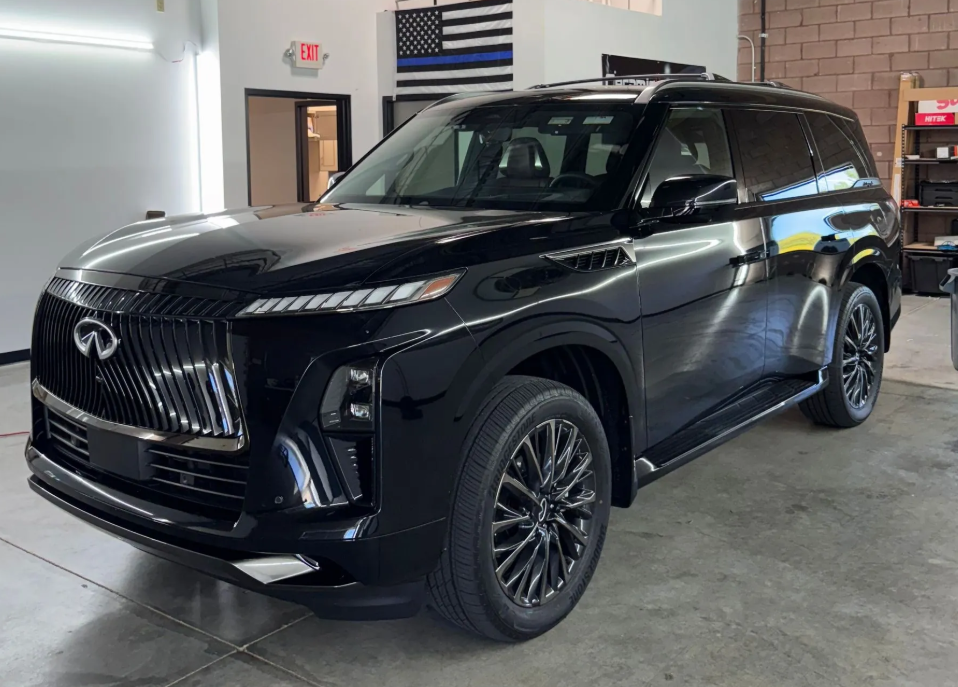
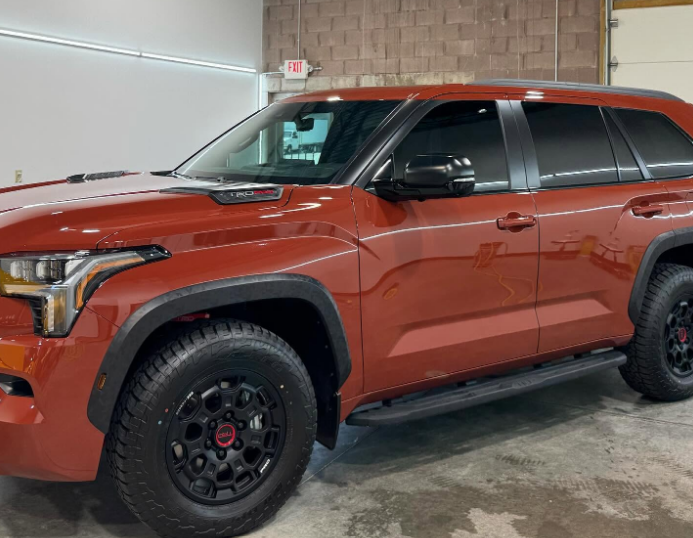
Vehicle size and shape. A compact sedan and a large SUV are not the same amount of film or labor. Tight curves, sharp body lines, and complex bumpers also add installation time around edges, mirrors, and handles.
Paint condition. Film locks in whatever is underneath it, so swirls and defects need correcting first or they stay visible permanently. That correction adds labor.
Coverage area. The single biggest lever, and the reason the packages exist. Moving from Full Front to Full Coverage more than doubles the film and the labor.
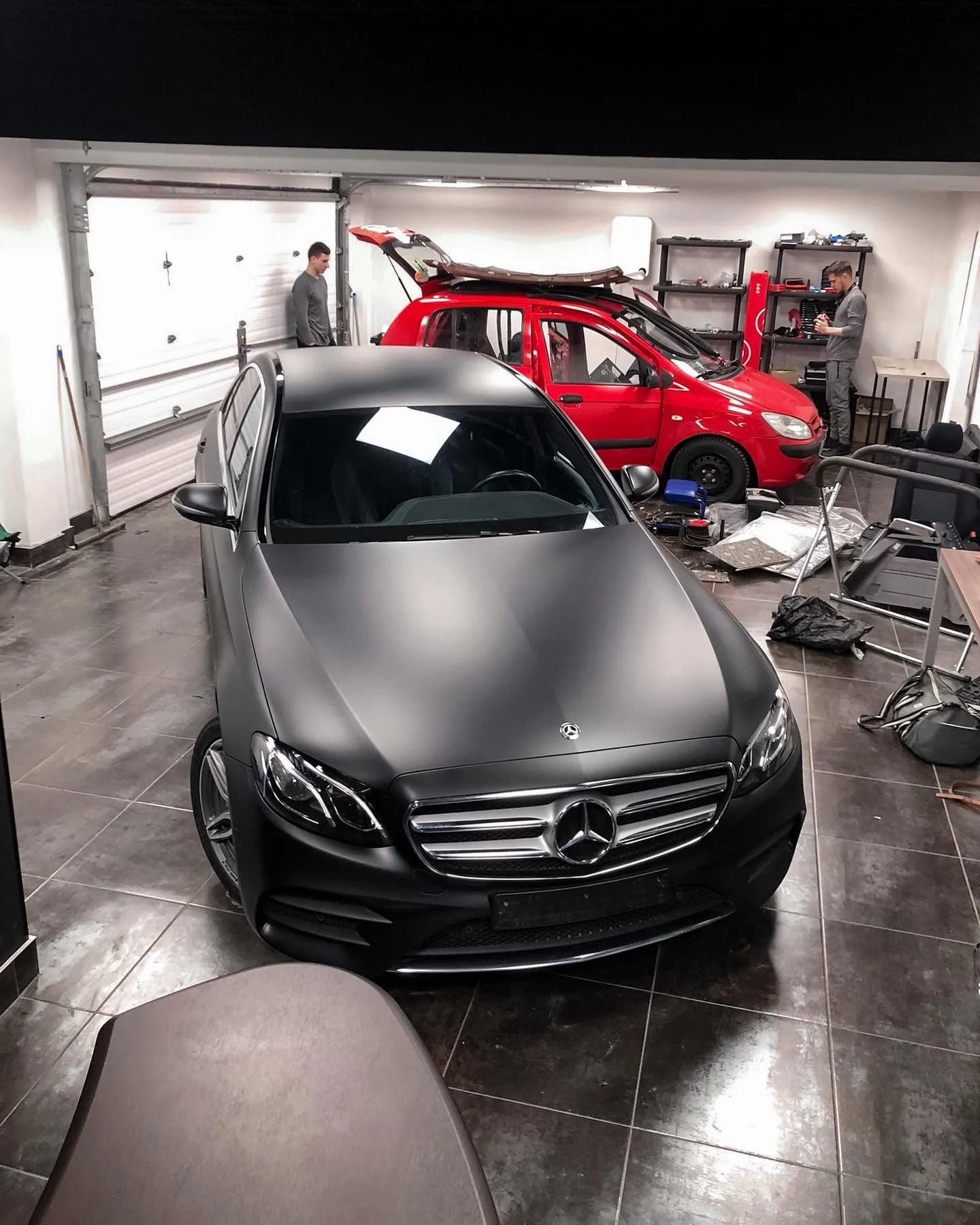
Film finish. Standard gloss film is the baseline. We also offer matte paint protection film and windshield protection film as separate options, and specialty finishes carry different pricing.
| Cost driver | Effect on price |
|---|---|
| Vehicle size | Larger vehicles use more film and labor |
| Vehicle shape | Complex curves and body lines add installation time |
| Paint condition | Correction needed before film adds labor |
| Coverage area | The biggest factor; Full Coverage far exceeds Full Front |
| Film finish | Matte and specialty finishes differ from standard gloss |
When comparing quotes, three questions matter: what film brand and grade, is prep included, and how experienced is the installer.

The Film We Use, and Why Brand Matters
Many PPF guides quote a different per square foot price for each film brand they carry. That is not how we work, so we will be direct about it.
At Tint Studio we install Autobahn paint protection film. It is a self healing film, so light surface marks and swirls reflow and disappear with heat, whether from sunlight or warm water. It is cut to fit your vehicle from digital patterns, so coverage is precise and edges are clean. We chose one film line we trust rather than stocking several tiers and upselling between them.
What determines whether your PPF looks good in three years is the installation more than the logo on the box. Clean prep, accurate patterns, and careful application prevent the lifted edges, trapped dust, and rough cuts that show on light colors and along body lines.
Full Coverage: What the Process Involves
If you are wrapping the whole vehicle, it helps to know what the higher price buys, because it is largely labor.
The job starts with a thorough wash and decontamination to remove dirt, tar, and bonded contaminants, often including a clay treatment. If the paint has swirls or scratches, correction comes next, because the film would otherwise seal those flaws in.
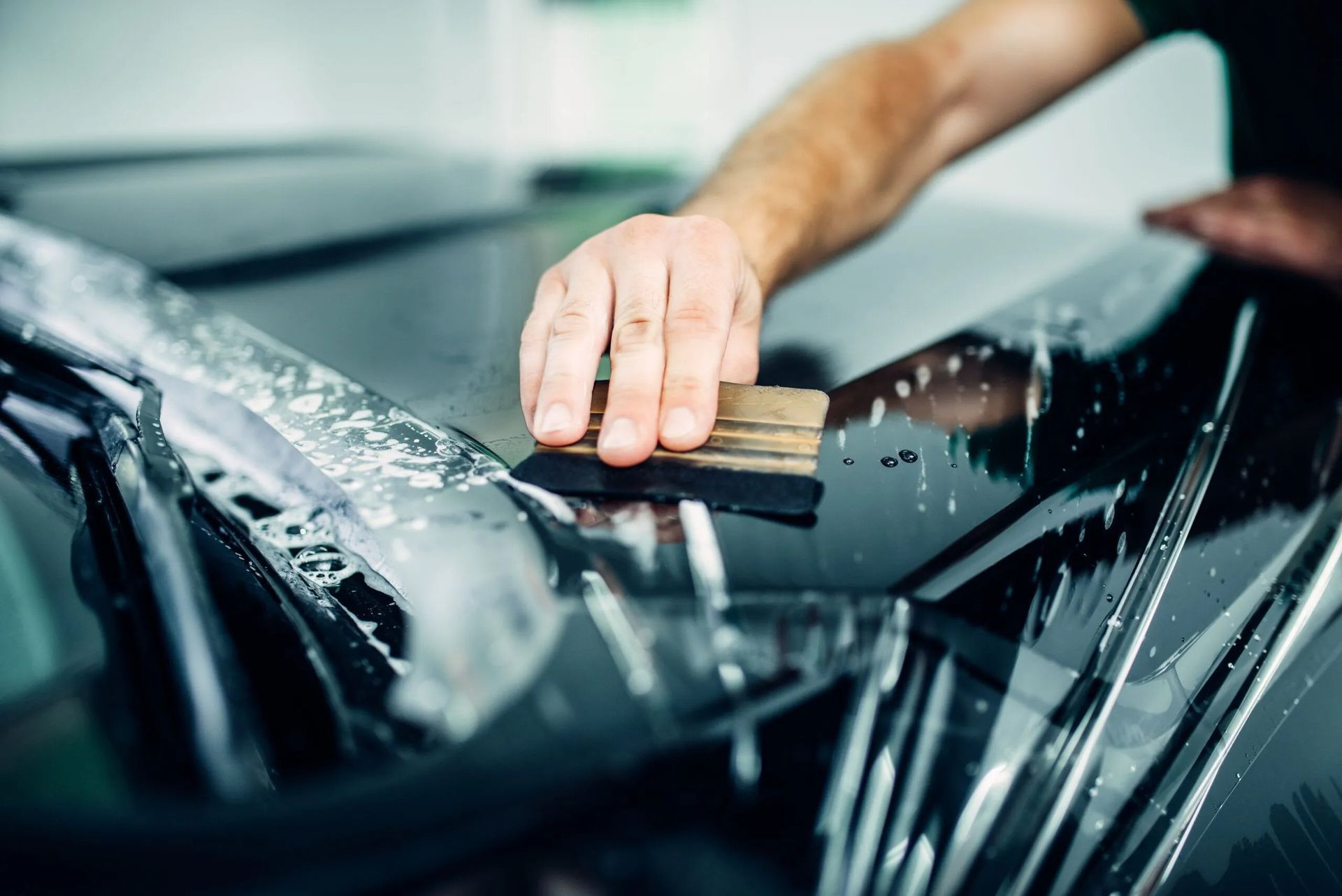
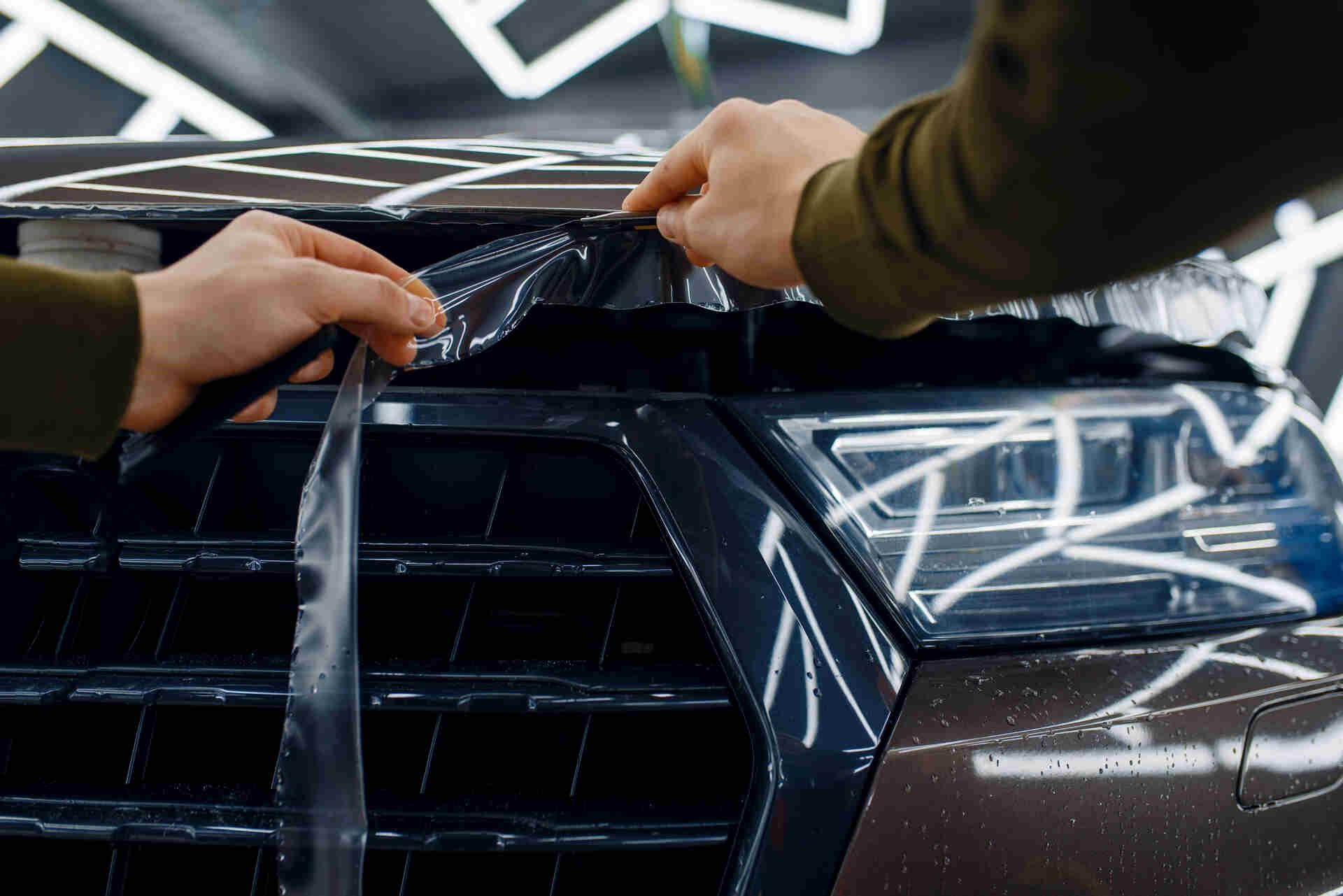
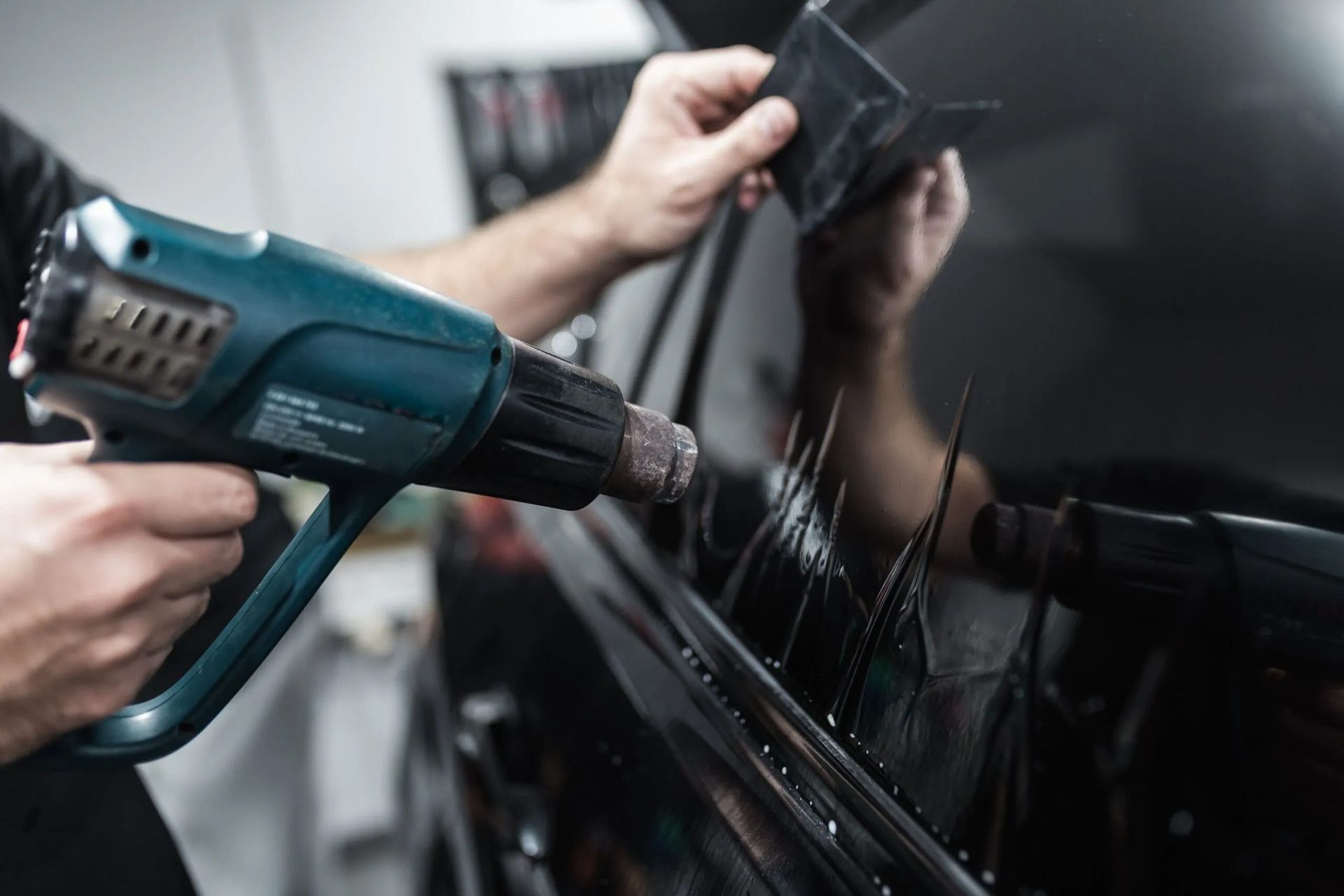
Then the film goes on. Patterns are cut for your exact make and model, and each panel is worked by hand with heat and dedicated tools to wrap edges and contours without bubbles or creases. Edges are sealed against moisture, and the vehicle is inspected under good light before it leaves.
That is two to four days of skilled work, which is why Full Coverage starts at $5,599 and climbs for large SUVs, trucks, and complex bodywork.
Do You Actually Need Full Coverage?
For a lot of drivers, no, and we would rather say so than sell more film than your driving justifies.
Full Front protects the panels that get hit. For a commuter putting highway miles on a vehicle they plan to keep, the bumper, hood, fenders, mirrors, and headlights are what meet gravel and bug season, and that is enough protection for many people. Track Pack makes sense when your driving throws debris at the sides too: gravel routes, construction detours, lowered vehicles, or spirited driving where stone chips reach the rockers.
Full Coverage earns its cost on valuable vehicles, show cars, and situations where you want every painted surface defended. On a modest daily driver, that money is often better spent on Full Front now, with the option to extend later.
We also frequently pair PPF with ceramic coating: film on the impact zones, coating over the top for gloss and easier washing. For Wisconsin winters, that covers both the rock chip problem and the salt and grime problem.
PPF vs. the Cheaper Alternatives
When the price gives you pause, it helps to know what the cheaper options actually do, because they protect different things.
Vinyl wraps cost about the same as PPF for full coverage but solve a different problem: appearance. Vinyl is a softer material, does not self heal, and does not resist chips and abrasion the way PPF does. It is a different product, not a cheaper version.
DIY PPF kits exist with precut sections for common models. You save the labor cost, but PPF is unforgiving: bubbles, wrinkles, and misaligned edges are easy to create and hard to fix.
Ceramic coating gets confused with PPF most often. A coating is a chemical layer that repels water, resists staining, adds gloss, and makes washing easier. It does not stop rock chips, because it has no thickness to absorb an impact. We install it, but it is not a substitute for film.
None of these replicate what professionally installed PPF does against physical damage. They fit when impact is not your main worry, or when a custom look is the goal.
Get a Paint Protection Film Quote Based on Your Vehicle
Every vehicle and driving style is different, which means PPF pricing depends on your coverage needs, vehicle condition, and how you use your car. Whether you need front-end protection from Wisconsin road debris or full vehicle coverage for maximum protection, Tint Studio can help you choose the right option.
Our team installs Autobahn self-healing paint protection film with careful surface preparation and precision ppf installation designed around your specific vehicle. We will help you understand your options without recommending more coverage than you actually need.
Protect your vehicle from rock chips, road debris, and everyday damage with professionally installed paint protection film.
Call
(262) 278-4003 or
schedule your consultation online.
FAQs
How much does PPF cost in Wisconsin in 2026?
Professionally installed paint protection film in Southeast Wisconsin generally ranges from about $2,000 for front end coverage to $5,500 and up for a full vehicle wrap. At Tint Studio in Mequon, Full Front starts at $2,099, Track Pack at $2,699, and Full Coverage at $5,599.
Does vehicle size and type affect the price?
Yes, significantly. Larger vehicles like SUVs and trucks use more film and take more labor than a compact sedan. Shape matters as much as size, which is why two cars of similar size can quote differently, and why we look at the actual vehicle rather than quoting from size alone.
What is the difference between the coverage packages?
Full Front covers the front bumper, full hood, mirrors, full front fenders, and headlights, the highest impact zone on the vehicle. Track Pack adds rocker panels for drivers who deal with gravel spray and side chips. Full Coverage wraps nearly every painted surface. Most daily drivers do well with Full Front.
What film brand does Tint Studio use?
We install Autobahn paint protection film, a clear, self healing film cut to fit your specific vehicle. Rather than stocking several brands of varying quality, we chose one film line we trust.
Is surface preparation included, or is it an extra charge?
Preparation is part of the install. Before any film goes on, we clean and decontaminate the paint so the film bonds properly. If the paint has existing swirls or defects, correcting those first may add labor. We assess that on the actual vehicle before you book.
Is PPF worth the cost for a daily driver in Wisconsin?
Yes, especially for vehicles exposed to highway driving, winter road salt, gravel roads, and frequent commuting. Paint protection film helps prevent rock chips, scratches, and road debris damage in the areas that take the most abuse, such as the front bumper, hood, fenders, and mirrors.
What part of a car should I protect with PPF first?
For most daily drivers, the front-end areas provide the best value. Full Front PPF protects the bumper, hood, fenders, mirrors, and headlights - the areas most likely to experience rock chips, bug damage, and road debris impacts.
How long does paint protection film last?
High-quality professionally installed PPF can typically last many years when properly maintained. The lifespan depends on the film quality, installation, climate exposure, washing habits, and how the vehicle is driven.
Does PPF protect against Wisconsin winter salt and snow?
PPF helps protect your vehicle’s paint from chips and physical damage caused by road debris, but it is not designed to stop corrosion from salt. Pairing PPF with regular washing and ceramic coating can provide broader protection against Wisconsin winter conditions.
Should I get ceramic coating or PPF first?
If you want both, PPF should be installed first because it provides physical impact protection. Ceramic coating can then be applied over the film and remaining paint to improve gloss, hydrophobicity, and ease of maintenance.
Can PPF damage my vehicle’s original paint?
When professionally installed and removed correctly, quality paint protection film should not damage factory paint. Proper preparation and experienced installation are important to ensure safe application and removal.
Is full vehicle PPF worth it on an expensive car?
For luxury vehicles, performance cars, collectible vehicles, and cars that owners want to keep in excellent condition, full coverage PPF can be a worthwhile investment. It helps preserve the original paint and maintain resale value.
How long does PPF installation take?
Installation time depends on the coverage package and vehicle complexity. Most Full Front and Track Pack installations take about one to two days, while Full Coverage installations generally require two to four days.
Can PPF be installed on an older vehicle?
Yes, but the paint condition needs to be evaluated first. Existing scratches, oxidation, or paint defects may need correction before installation because the film preserves the condition of the surface underneath.
Does PPF make my car scratch proof?
No. PPF is highly durable and helps protect against many types of road damage, but it is not completely scratch proof. It is designed to absorb impacts, resist abrasion, and self-heal minor surface marks.