Is Ceramic Coating Worth It on a Daily Driver? Key Pros and Cons to Know
TINT STUDIO
If you drive the same car every day, you have probably wondered whether there is a way to keep the paint looking sharp without spending every other Saturday on it. Here is a straight answer for Southeast Wisconsin drivers: what a coating actually does, what it does not do, what it costs, and how to decide whether it makes sense for a car that has to work for a living.
Ceramic coating is usually worth it on a daily driver in Wisconsin, mainly because it makes winter washing faster and safer while resisting UV fading, chemical etching, and light wash induced marring. The tradeoffs are a real upfront cost, typically $750 and up professionally applied, and an ongoing need for gentle washing. It will not stop rock chips, which is a job for paint protection film.
What Ceramic Coating Actually Is?
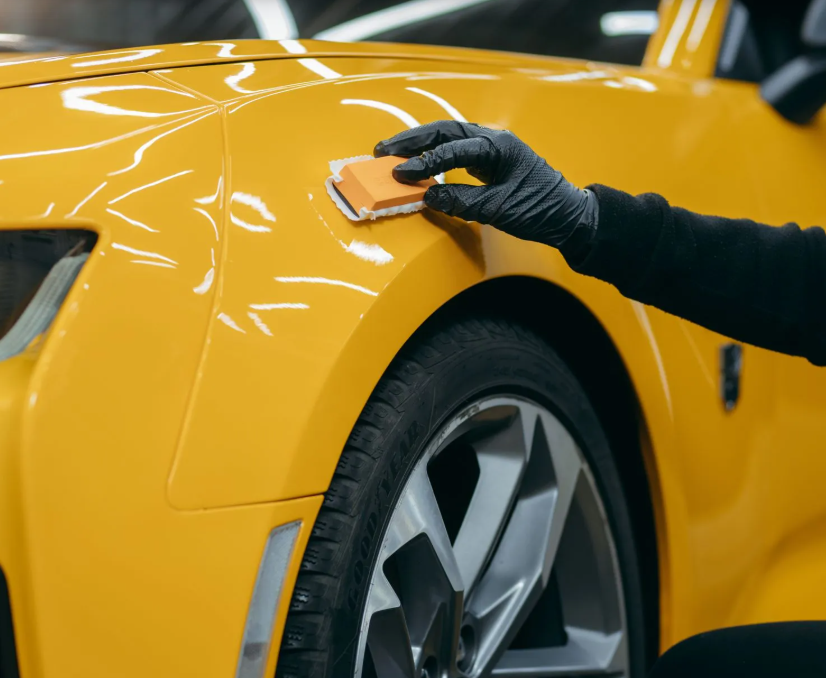
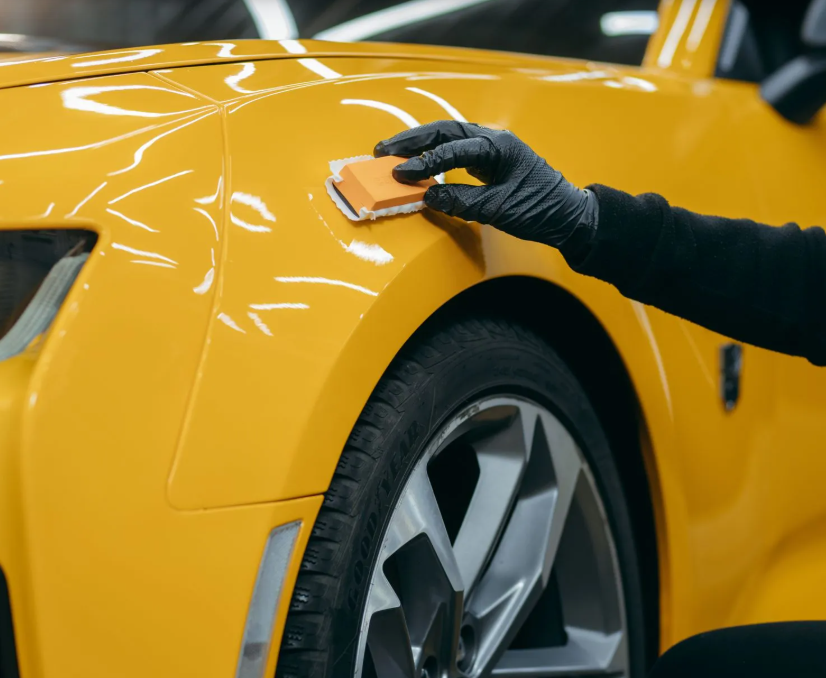
Ceramic coating is a liquid polymer applied to your vehicle’s exterior that cures into a hard, clear layer bonded to the paint. Wax sits on top of the clear coat and washes away over weeks. A coating chemically bonds and stays put for years. Most coatings are built around silicon dioxide (SiO2), chosen for hardness and weather resistance. The layer is only a few microns thick, so it changes nothing about your paint color, but it deepens the gloss and makes water bead and sheet off the surface.
At our Mequon shop we apply Gtechniq coatings, and every package includes Level 2 paint correction before anything goes on, because a coating locks in whatever is underneath it. A ceramic coating is not armor. It will not stop a rock chip or prevent a dent. What it does is make the surface harder for contaminants to bond to and considerably easier to clean.
Why It Makes Sense for a Daily Driver
Daily drivers take a specific kind of abuse: road film, brake dust, salt spray, bug residue, and swirl marks from hurried washing.
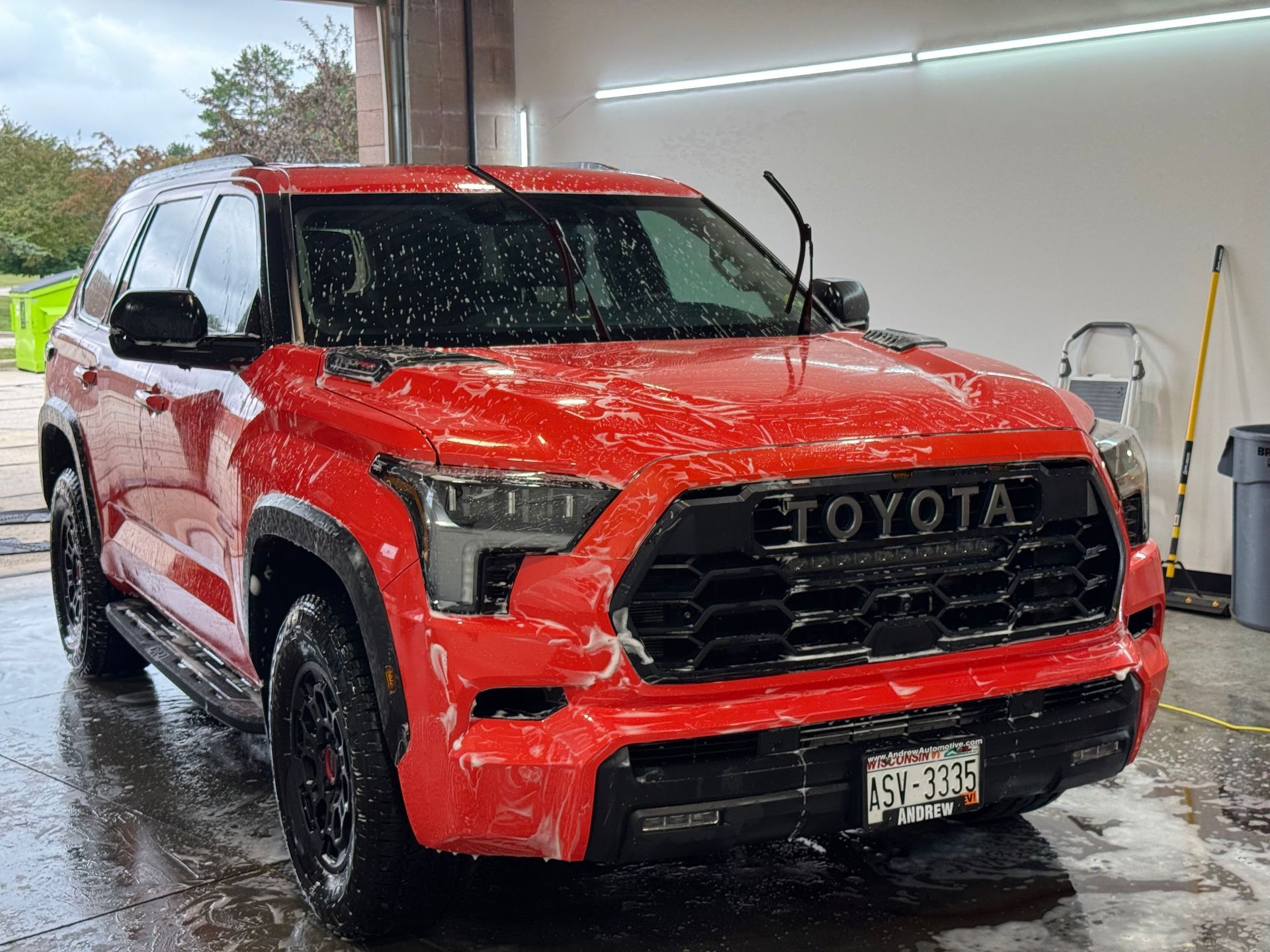
Water behavior is the benefit you notice first. A coated surface is hydrophobic, so water beads and sheets off instead of sitting on the panel. Loose dirt leaves with it. For anyone washing a car in a Wisconsin driveway in March, that difference is the whole argument.
UV resistance protects your color. Sun exposure causes oxidation, which makes an older car look chalky. A coating slows that process.
Chemical resistance buys you time. Bird droppings, tree sap, and bug splatter are acidic and etch clear coat if they sit. On a coated surface they have a harder time bonding.
Marring resistance is real but modest. A coating adds a sacrificial layer that reduces light swirls from washing and drying. It does not make paint scratch proof.
| Benefit | What it means day to day |
|---|---|
| Hydrophobic surface | Water and dirt release easily, washing is faster and gentler |
| UV resistance | Color and gloss hold up longer on a car parked outdoors |
| Chemical resistance | Sap, bugs, and droppings are far less likely to etch |
| Reduced marring | Fewer wash induced swirls over the life of the vehicle |
For a Mequon or Milwaukee commuter putting real miles on a vehicle they plan to keep, that combination usually pencils out.
What It Costs and What Drives the Price
Three things move the number: the coating tier, the condition of your paint, and vehicle size.
The tier determines chemistry, application process, and time in shop. Every package includes Level 2 correction, but deeper scratches or heavy oxidation may need more, and we will tell you before you book. Larger SUVs and trucks sit higher in the range.
| Package | Rated lifespan | Starting price | Time in shop |
|---|---|---|---|
| Gtechniq EXO, 2 layer | 18 months to 2 years | $750 | 1 to 2 days |
| Crystal Serum Light + EXO | 6 years | $1,000 | 1 to 2 days |
| Crystal Serum Ultra + EXO | 9 years | $1,700 | 2 to 4 days |
Think about cost per year rather than sticker price. A $750 two year coating and a $1,700 nine year coating look very different on paper and much closer once you divide.
How to Maintain a Coated Daily Driver
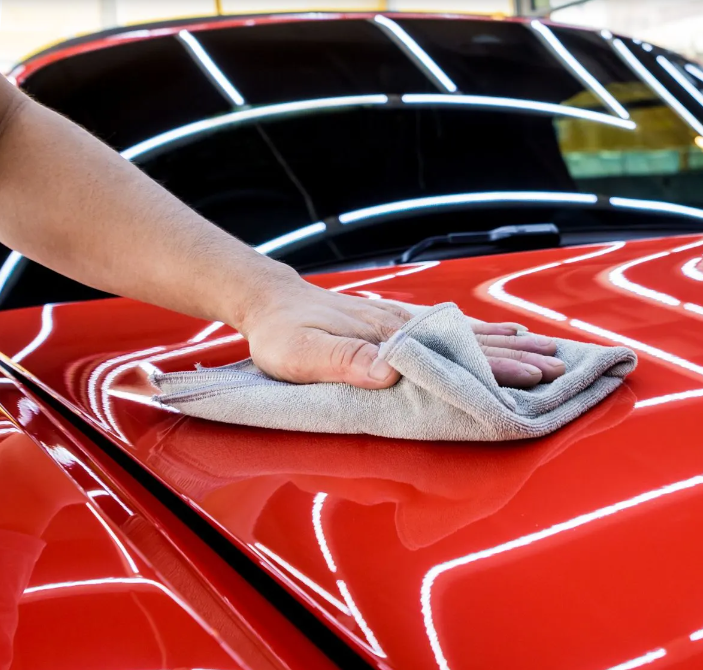
Wash every two weeks with a pH neutral shampoo and the two bucket method. Avoid brush style automatic washes. Touchless is acceptable. Hand washing is better. Deal with contaminants quickly, especially bird droppings and sap. Use clean microfiber and retire it when it gets rough. Most swirl marks come from drying, not washing. Be patient during the cure, which takes about two weeks.
What Wisconsin Specifically Does to a Coating
Generic ceramic coating advice falls apart here, because an article written for Phoenix is answering a different question than a driver in Ozaukee County is asking.
Winter is the reason to coat a car here. Road salt and brine are corrosive, and they stay on the vehicle between washes. A hydrophobic surface means salt laden slush releases with a rinse rather than a scrub in freezing weather, which makes you more likely to wash when it matters most.
Freeze thaw cycling is the hidden stressor. Southeast Wisconsin swings above and below freezing repeatedly, and moisture works into any gap in your protection. Summer is not a break either, with lake effect humidity, bug season, and long stretches of direct sun all working on paint.
Gravel and rural roads are the coating’s limit. A coating will not protect the front end from chips. That is a paint protection film conversation.
So, Is It Worth It?
For most daily drivers in Southeast Wisconsin, yes, with conditions.
It is probably worth it if you plan to keep the vehicle several more years, you park outside at least part of the time, and you are willing to wash regularly.
It is probably not worth it if you lease, the vehicle has significant uncorrected paint damage, or you will not maintain it.
It is the wrong product if what you actually want is rock chip protection. That is paint protection film, and many of our customers do both.
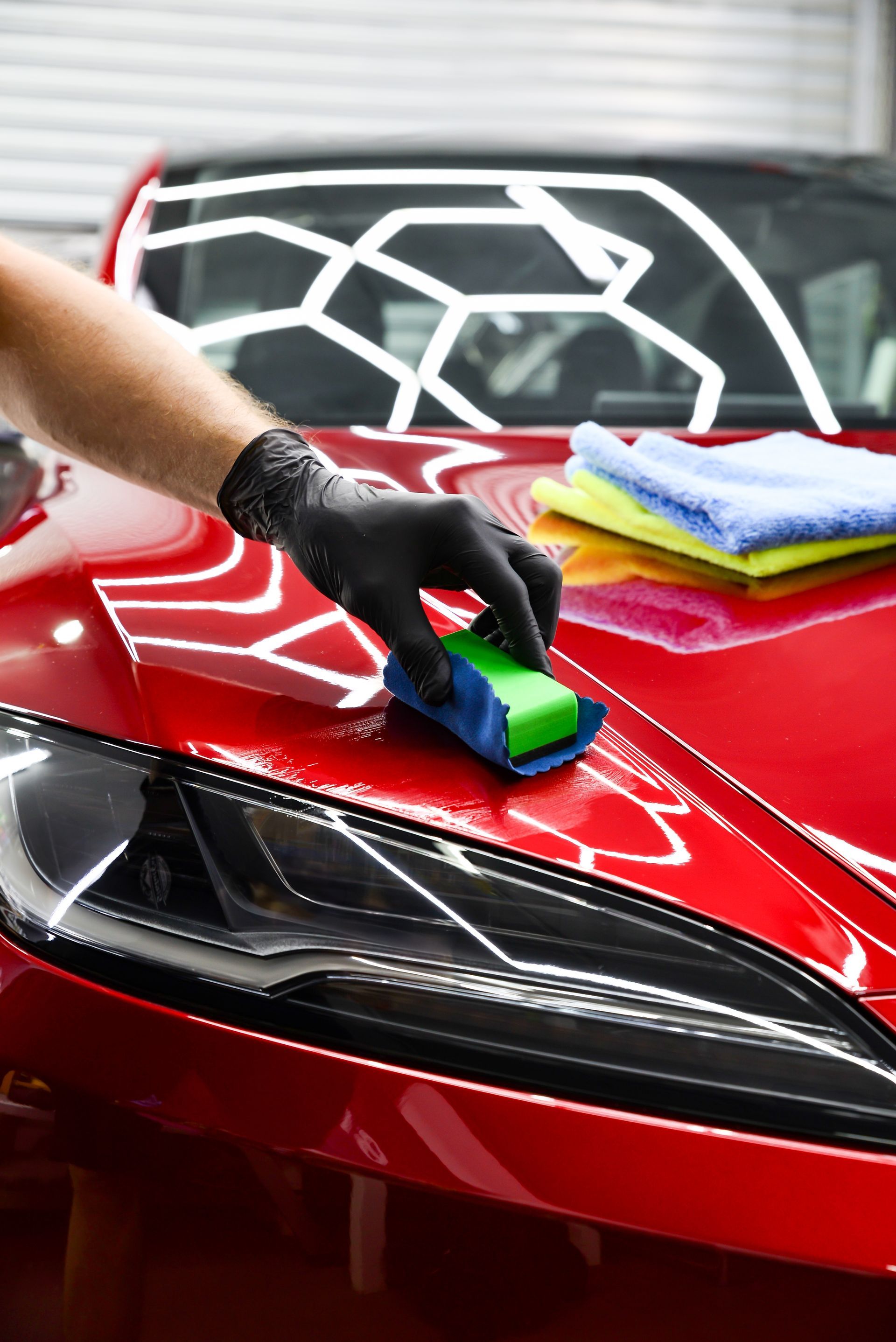
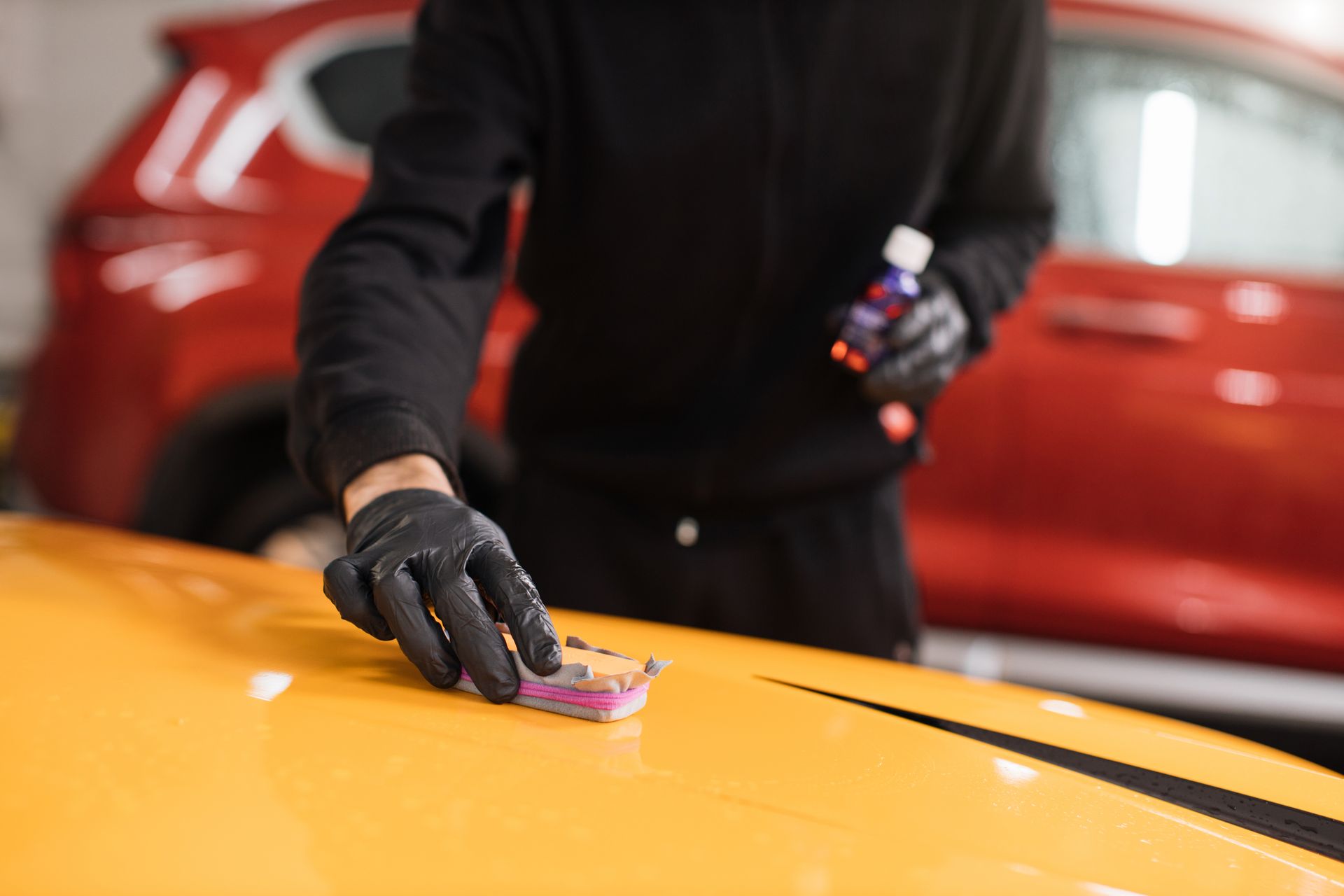
Protect Your Daily Driver With Long-Lasting Ceramic Coating
Your vehicle faces Wisconsin’s toughest conditions every day - road salt, winter grime, UV exposure, bug residue, and everyday wear. A professionally applied ceramic coating can make maintenance easier while helping preserve your paint’s gloss and protection for years.
At Tint Studio, we help Southeast Wisconsin drivers choose the right protection based on how they actually use their vehicles. Whether you need ceramic coating, paint correction, paint protection film, or a complete detailing package, our team will recommend the solution that fits your vehicle and driving habits.
Schedule a ceramic coating consultation today and find out if it is the right investment for your daily driver.
Call (262) 278-4003 or request a quote online.
FAQs
How does ceramic coating compare to wax or sealant?
Wax and sealant sit on the surface and break down within months. A coating bonds to the clear coat and stays for years. If you enjoy waxing, wax works. If you would rather do the work once and then just wash, a coating is the better fit.
Will ceramic coating protect against bird droppings, sap, and road salt?
It helps significantly with all three but is not a guarantee. Contaminants rinse off a coated surface instead of etching, though bird droppings left for days in heat can still leave a mark.
What maintenance does a coated vehicle need?
Wash every couple of weeks with a pH neutral shampoo, avoid brush style automatic washes, dry with clean microfiber, and address droppings and sap promptly.
How long does ceramic coating last on a daily driver?
Our packages are rated from 18 months to nine years assuming reasonable care and realistic driving conditions.
Is professional application worth it over a DIY kit?
For most people, yes. Decontaminating and correcting the paint, working in a controlled environment, and leveling the coating evenly are where results are won or lost. DIY over uncorrected paint locks in every swirl permanently.
Is ceramic coating a good investment for a car that is driven every day?
Yes. Ceramic coating is especially beneficial for daily drivers because it reduces maintenance time, helps protect against environmental contaminants, and keeps the vehicle looking cleaner between washes. It is most valuable for owners who plan to keep their vehicle for several years.
Does ceramic coating protect a car from Wisconsin road salt?
Ceramic coating helps reduce how strongly road salt, brine, and winter grime bond to your vehicle’s paint. While it does not prevent corrosion by itself, it makes regular washing easier and helps minimize prolonged exposure to salt during Wisconsin winters.
How long should I keep my car before getting ceramic coating?
Ceramic coating is typically most worthwhile if you plan to keep your vehicle for at least two to three years. The longer you own the vehicle, the more value you get from easier maintenance, improved appearance, and long-term paint protection.
Can ceramic coating be applied to an older daily driver?
Yes, but the paint condition matters. Older vehicles may need paint correction, polishing, or decontamination before coating. A ceramic coating protects the paint condition underneath, so proper preparation is essential.
Does ceramic coating make my car scratch proof?
No. Ceramic coating does not make a vehicle scratch proof or protect against rock chips. It helps reduce light wash-induced marring and contamination but cannot replace paint protection film for impact protection.
Should I get ceramic coating or paint protection film for my daily driver?
It depends on your goal. Ceramic coating protects against contaminants, UV exposure, and makes cleaning easier, while paint protection film is designed to protect against rock chips and road debris. Many drivers choose both for complete protection.
How soon can I drive my car after ceramic coating installation?
Most ceramic coatings require a curing period before being exposed to moisture or harsh conditions. Your installer will provide specific instructions, but avoiding rain, washing, and contaminants during the initial cure period is important.
Can I take a ceramic coated car through an automatic car wash?
It is best to avoid brush-style automatic washes because they can create swirl marks and reduce the coating’s appearance over time. Hand washing with proper products or using touchless washes is a better option.
Does ceramic coating reduce how often I need to wash my car?
No. A ceramic coating does not eliminate washing, but it makes washing faster and easier because dirt, water spots, and contaminants are less likely to bond strongly to the surface.
What vehicles benefit most from ceramic coating?
Ceramic coating is ideal for daily drivers, newer vehicles, luxury cars, trucks, SUVs, and vehicles that are parked outdoors or exposed to harsh weather conditions. It is especially valuable for owners who want long-term paint preservation without frequent waxing.