How Often to Detail Your Car in Wisconsin’s Climate: Seasonal Maintenance Tips
TINT STUDIO

Living in Wisconsin means your vehicle takes on real weather swings, from icy, salt covered roads in winter to strong sun and heavy humidity in summer. Those swings work on your paint, glass, and interior all year, which makes a detailing schedule less about appearance and more about protection. Here is a practical schedule for Southeast Wisconsin drivers.
In Wisconsin’s climate, most daily drivers do well with a full professional detail once or twice a year, ideally in spring and again in fall, supported by regular maintenance washes every two weeks through the salt season. Spring removes corrosive road salt left over from winter, and fall applies a protective layer of sealant or coating before the first snow. Vehicles that are stored outdoors, driven on gravel, or used for towing may need a third visit.
How Wisconsin’s Climate Affects Your Vehicle
In winter, road salt does the damage. It holds moisture against metal and paint long after the snow melts, producing rust that works into wheel wells, rocker panels, and door seams. Washing through the cold months is about not letting salt sit for weeks at a time.
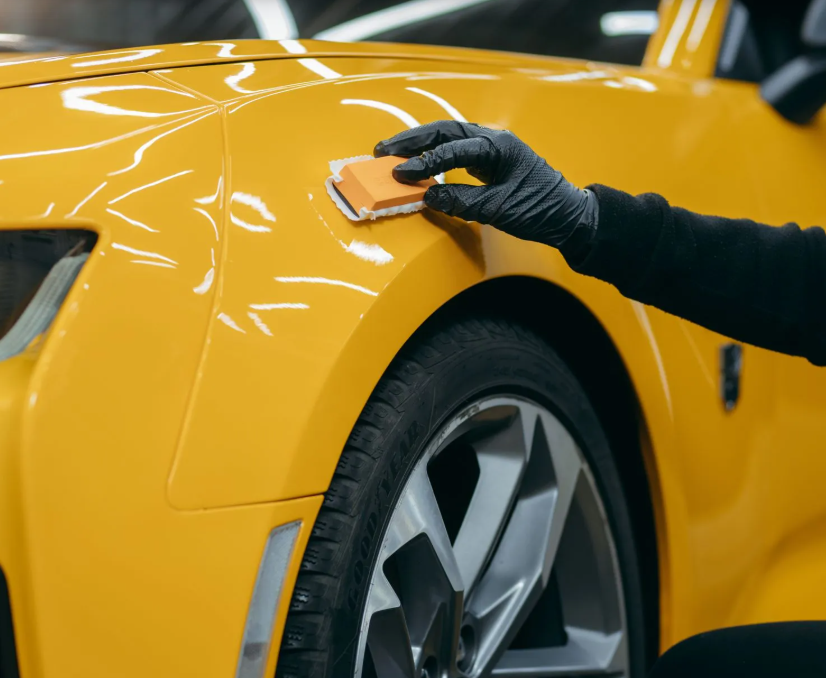
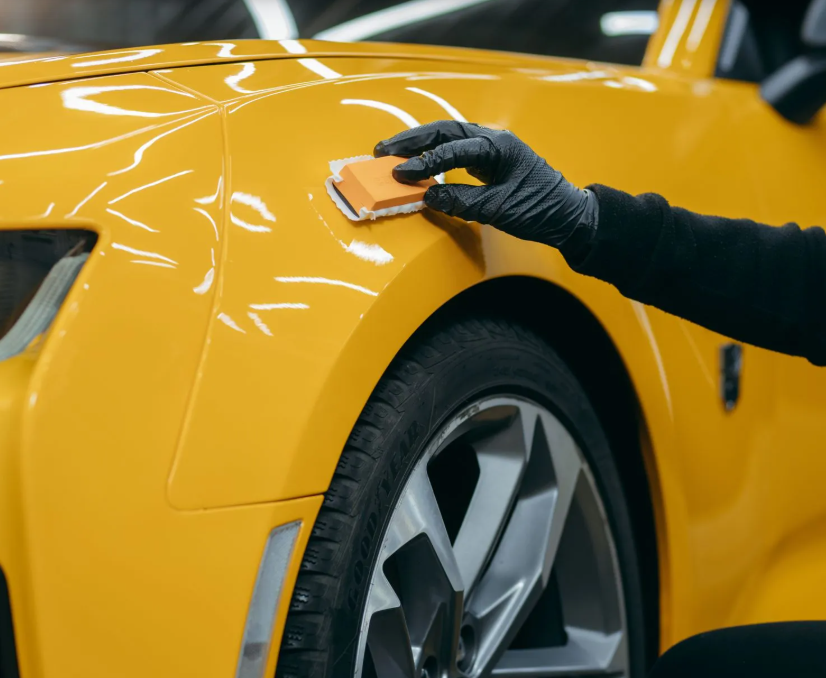
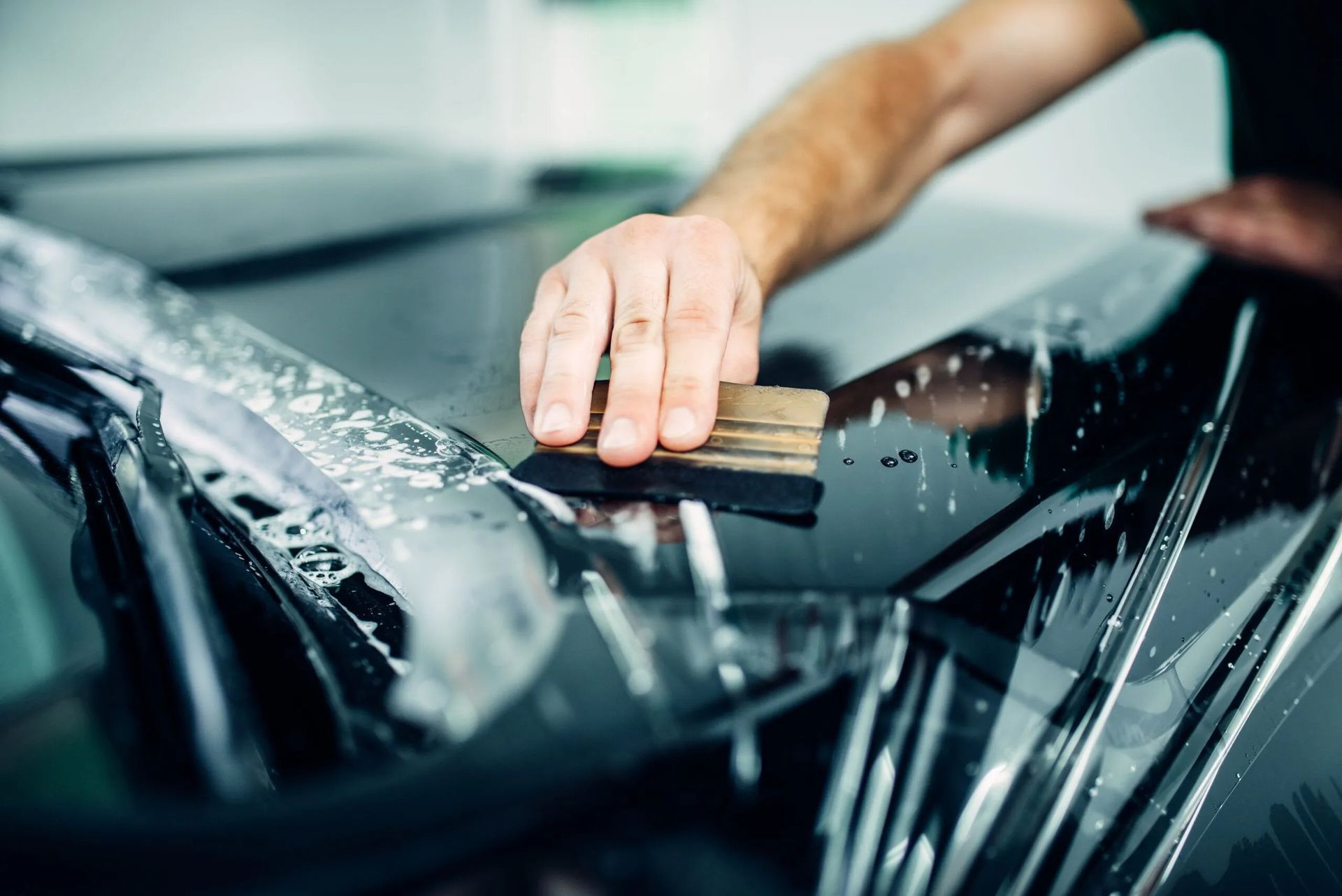
Washing alone has limits. Salt settles into crevices and any spot where clear coat is chipped or worn. Ceramic coating and paint protection film both create a barrier that salt and grime have a harder time bonding to, which also makes every wash faster and gentler.
In summer the threat changes. UV exposure breaks down pigment, causing fading and a dull look that compounds year after year. Inside the cabin, humidity settles into carpets and vents, leading to musty odors in vehicles that sit outside.
Window tint helps on both fronts. At Tint Studio we install Autobahn film, and the ceramic tiers block up to 99 percent of infrared heat. Less heat in the cabin means less thermal stress on your dashboard, leather, and trim.
Once you understand that winter is a corrosion problem and summer is a UV problem, the schedule writes itself: frequent winter washes for salt removal, a spring detail to inspect for damage, UV protection in summer, and a fall detail with fresh sealant before the first salt truck goes out.
Recommended Detailing Frequency
A full detail and a maintenance wash are two different things on two different schedules.
A full professional detail is a deep reset. For most daily drivers in Southeast Wisconsin, once or twice a year is the right cadence.
Spring, right after the salt season ends. The most important appointment of the year. Salt residue sits in wheel wells, seams, and carpets, and the sooner it comes out the less damage it does.
Fall, before the first snow. This visit is about preparation. A clean, decontaminated, freshly sealed surface gives salt far less to grab onto and makes winter washing much easier.
| Season | Maintenance rhythm | What it is for |
|---|---|---|
| Winter | Wash every two weeks, more after a storm | Removing salt before it sits |
| Spring | Full detail, then wash every two to three weeks | Clearing salt residue and pollen |
| Summer | Wash every two to three weeks; spray detailer between washes | Removing bug residue and droppings before they etch |
| Fall | Full detail with sealant or coating, then wash as needed | Sealing the surface before salt season |
Vehicles that get more exposure need more attention. If you park outdoors year round, drive gravel roads, tow, or put on high highway miles, a third detail in mid summer is reasonable. A garage kept weekend car can usually get by with one annual detail plus upkeep.

Seasonal Detailing Tips
Winter
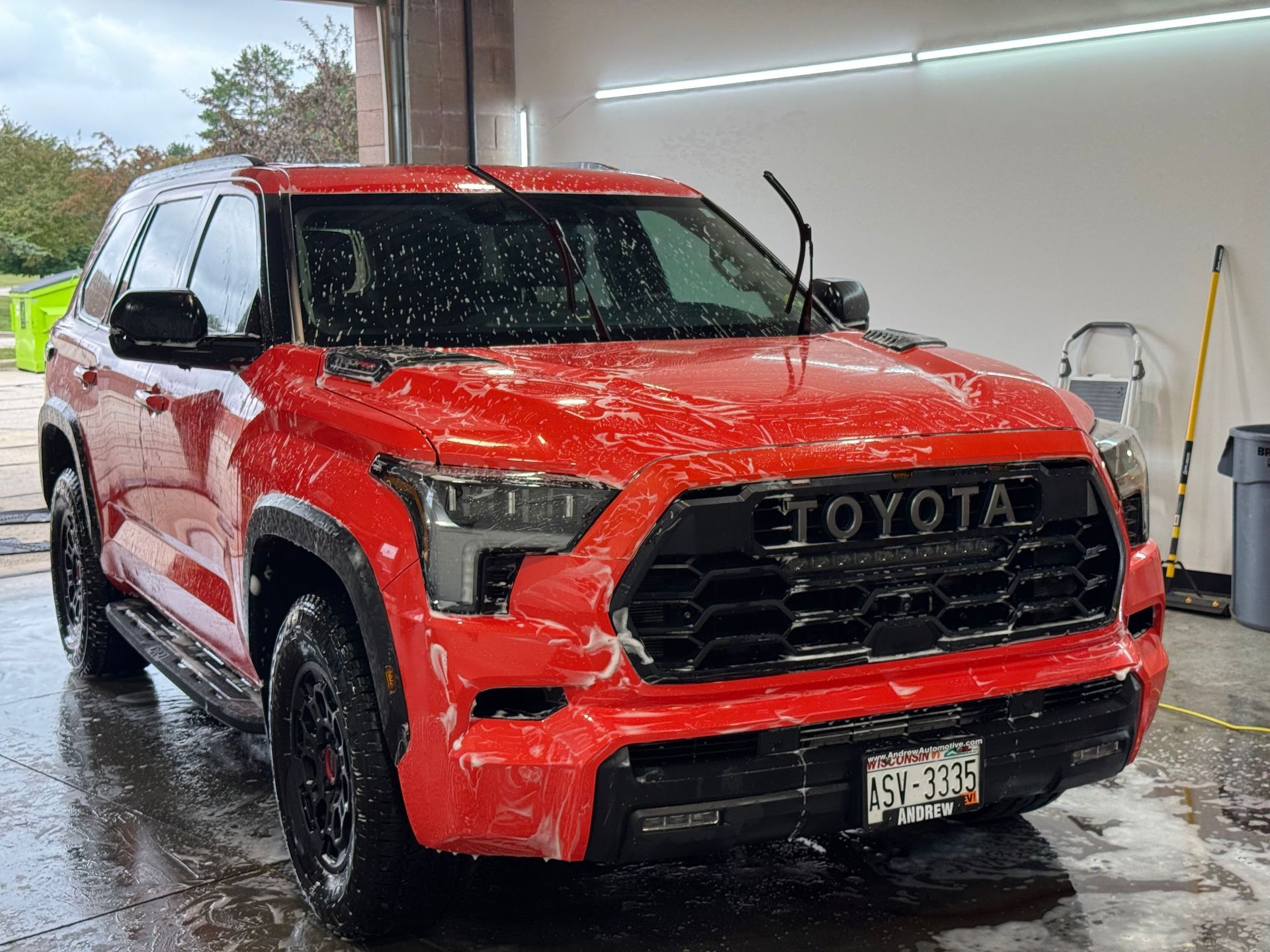
Apply sealant or coating before the first snowfall, while the vehicle is clean and dry. Once winter is underway, wash every two weeks. Inside, all weather floor mats hold melted snow and slush instead of letting it soak into carpet padding, where mold and odors start.
Spring
Salt residue hides in wheel wells, door jambs, and carpet fibers, and it keeps working until it is removed. This is the season for a full detail, including a close look at lower panels and rocker areas where winter damage shows up first. Tree sap arrives next and can etch clear coat if it bakes on, so remove it promptly.
Summer
UV protectant on interior surfaces is worth the few minutes it takes. Bug residue and bird droppings are acidic and will etch paint if they sit, so watch the front bumper, grille, and lower panels. Washing every two to three weeks with a spray detailer in between is usually enough. A Gtechniq ceramic coating makes routine washing easier for years.
Fall
Leaves and organic debris trap moisture against paint, especially in cowl areas and around trim, so clearing them out matters. This is the visit where sealant or coating goes on, ahead of the first salt application. Doing this in October is meaningfully easier and more effective than trying in January.
Professional vs DIY Detailing
Both approaches have a place, and most people end up doing some of each.
Professional detailing brings equipment and repeatability hard to match at home. At Tint Studio, our team is trained and certified to install window tint and paint protection film, and the same prep first approach carries into our detailing work on cars, boats, and RVs.
DIY detailing is appealing on cost and control. The tradeoff is that results depend on technique, and wash induced swirl marks are the most common self inflicted paint damage there is.
Our Elite package suits Wisconsin conditions best: clay bar decontamination, paint sealant, entry level ceramic coating, polishing, correction, and engine bay cleaning. Headlight restoration and engine detailing are add ons from $50 each. For select services, we also offer mobile appointments.
Essential Detailing Products
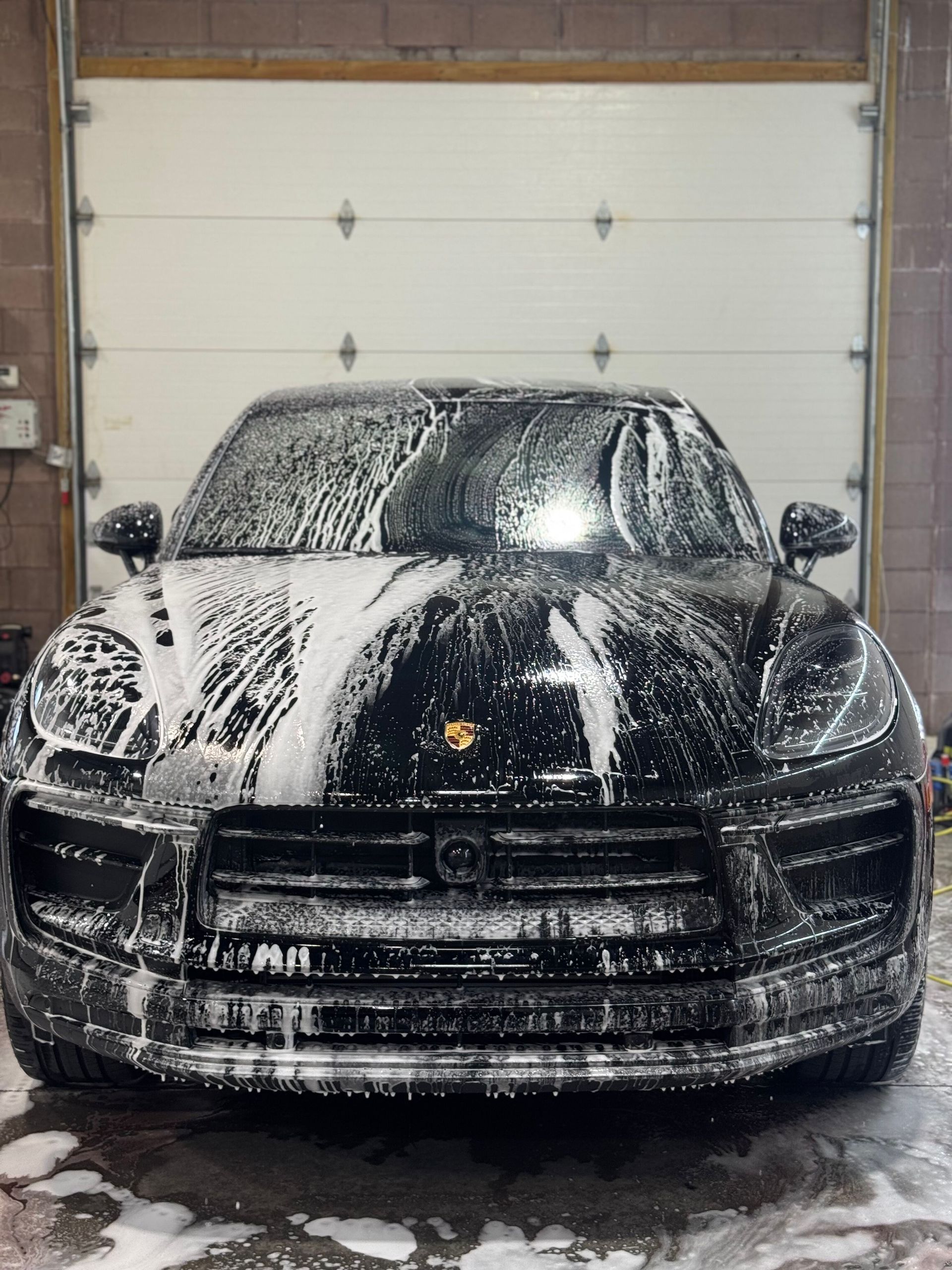
A short list of good products beats a long list of mediocre ones. pH balanced car shampoo cleans without stripping your coating or sealant. A clay bar pulls bonded contaminants before any protection goes on. Quality microfiber towels trap particles rather than dragging them; retire them when rough. Wax or sealant adds a sacrificial layer, and sealants hold up better against road salt. A dedicated tire cleaner slows cracking and browning from salt and grime.
Maintenance Between Details
Small, consistent habits do more for a vehicle’s condition than any single appointment.
Outside, washing every two weeks is the baseline, more often during salt season. A spray detailer between washes lifts dust and adds a bit of protection in ten minutes.
Inside, weekly vacuuming matters more than it sounds. Grit tracked in on shoes abrades carpet and leather, and that wear is permanent. Wipe hard surfaces with an interior cleaner to prevent grime buildup.
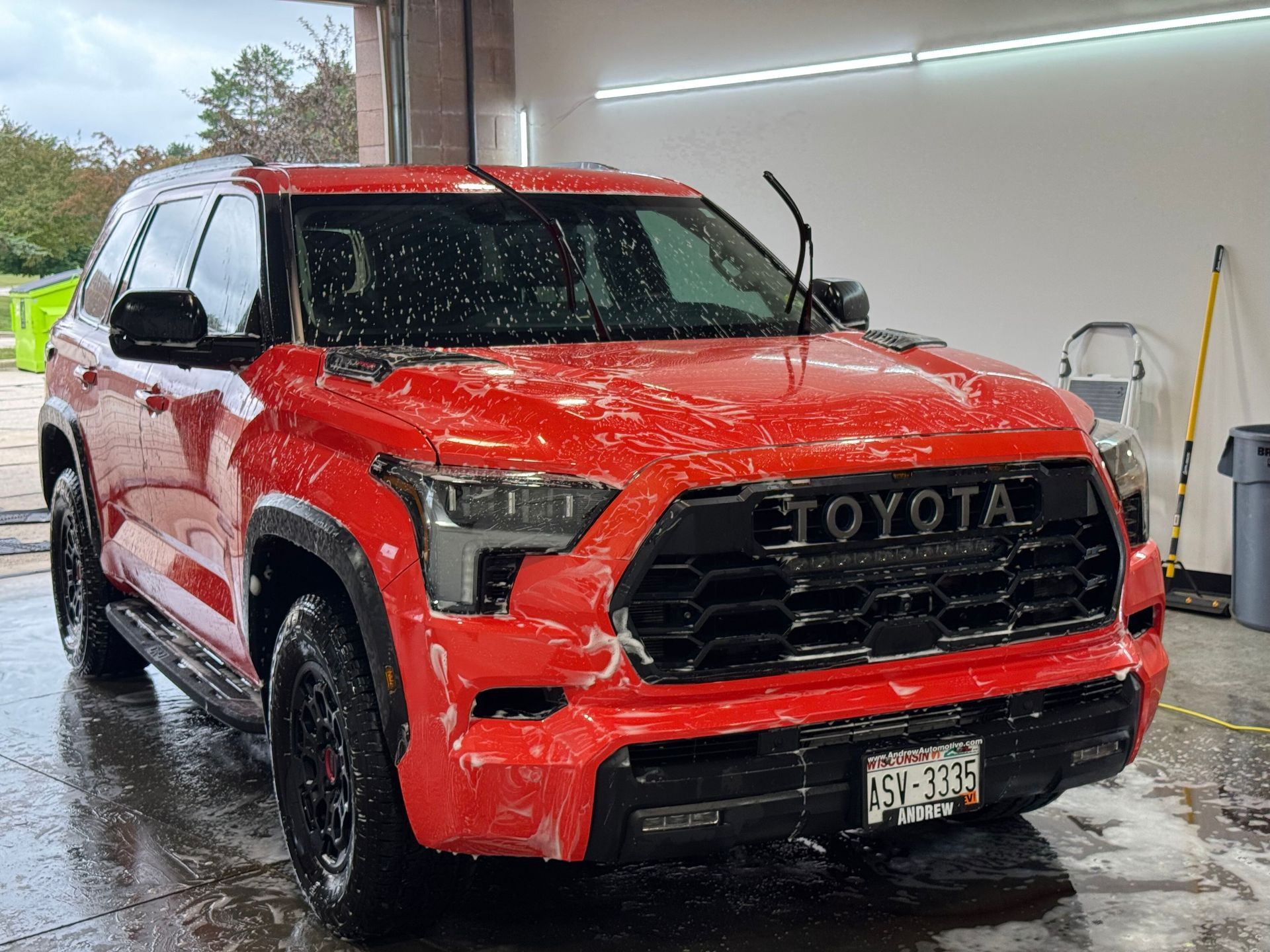
Protect Your Vehicle Through Every Wisconsin Season
Wisconsin weather puts your vehicle through year-round challenges, from winter road salt and snow buildup to summer UV exposure and humidity. A seasonal detailing plan helps protect your paint, preserve your interior, and keep your vehicle looking its best.
Whether you need a spring salt removal detail, fall protection before winter, ceramic coating, paint correction, or paint protection film, Tint Studio creates a maintenance plan based on your vehicle’s needs and how you drive.
Schedule your professional detailing service today and give your vehicle the protection it deserves through every Wisconsin season.
Call (262) 278-4003 or request a quote online.
FAQs
How does Wisconsin’s climate affect how often I should detail my car?
Wisconsin’s combination of salted winter roads and humid summers puts more stress on a vehicle than most climates. Two full details a year, in spring and fall, is a better baseline here than the single annual detail that works in milder regions.
What is the best time of year to detail a car in Wisconsin?
Early spring and late fall. Spring removes corrosive salt residue before it does damage. Fall applies fresh sealant or coating while the vehicle is clean, so protection bonds properly ahead of the first snow. If you can only budget one detail, make it fall.
Are there specific detailing products suited to Wisconsin weather?
Look for sealants and coatings with strong hydrophobic properties, since shedding water and brine quickly limits salt contact time. On the interior, all weather floor mats and a UV protectant for the dash and leather cover the two seasons that cause the most wear.
How do winter road salt and summer humidity change my detailing schedule?
They change the type of work more than the frequency. Winter is about removal, so washing every two weeks to clear salt is the priority. Summer is about protection and prompt cleanup of bug residue and droppings. The two full details bracketing those seasons tie the schedule together.
What seasonal factors in Wisconsin affect car maintenance most?
Road salt in winter, leftover salt and sap in spring, UV and humidity in summer, and wet leaves and early salt in fall. That extended stretch of treated roads is the biggest reason a seasonal detailing rhythm pays off here.
How often should I wash my car during Wisconsin winters?
During Wisconsin winters, washing your vehicle every two weeks is a good baseline, with more frequent washes after heavy snowstorms or salt treatments. Removing road salt and brine before they sit on your vehicle helps reduce corrosion and paint damage.
Can road salt permanently damage my car’s paint?
Yes. Road salt can accelerate corrosion and damage your vehicle’s finish, especially when it settles in wheel wells, door seams, rocker panels, and areas where the paint or clear coat is already damaged. Regular washing and protective coatings help minimize long-term effects.
Should I detail my car before or after winter in Wisconsin?
Both are beneficial, but a fall detail before winter is especially important. Applying a sealant or ceramic coating before snow and salt season creates a protective barrier that makes contaminants easier to remove. A spring detail then removes leftover salt and winter buildup.
Is ceramic coating worth it for Wisconsin weather?
Yes. Ceramic coating is especially beneficial in Wisconsin because it helps protect against road salt, dirt, UV exposure, and environmental contaminants. Its hydrophobic properties also make routine washing easier throughout the year.
What is the best car detailing schedule for a vehicle parked outside in Wisconsin?
Vehicles parked outside year-round typically benefit from two full details per year - one in spring after winter salt exposure and one in fall before the first snowfall. Additional maintenance washes throughout the year help protect the finish.
How does Wisconsin weather affect my car’s interior?
Wisconsin’s changing seasons can cause interior wear from moisture, snow, salt, humidity, and UV exposure. Regular vacuuming, interior cleaning, UV protection, and all-weather floor mats help prevent stains, odors, fading, and material damage.
Can detailing remove winter salt damage from my car?
Professional detailing can remove salt residue and contaminants from your vehicle’s surfaces, including areas that are difficult to reach with regular washing. However, if salt has already caused rust or paint damage, additional repair services may be needed.
What car detailing services help protect against Wisconsin winters?
Services such as paint sealant, ceramic coating, paint protection film, thorough exterior decontamination, and regular maintenance washes provide added protection against Wisconsin winter conditions.
How often should I wax or seal my car in Wisconsin?
Most vehicles benefit from applying a protective sealant at least twice a year, typically in spring and fall. Vehicles exposed to harsh weather, outdoor parking, or high mileage may need protection more frequently.
Is professional detailing better than DIY detailing in Wisconsin?
DIY detailing can help with routine maintenance, but professional detailing provides deeper cleaning, paint decontamination, polishing, and protective treatments that are difficult to achieve at home. This is especially valuable after harsh Wisconsin winters.